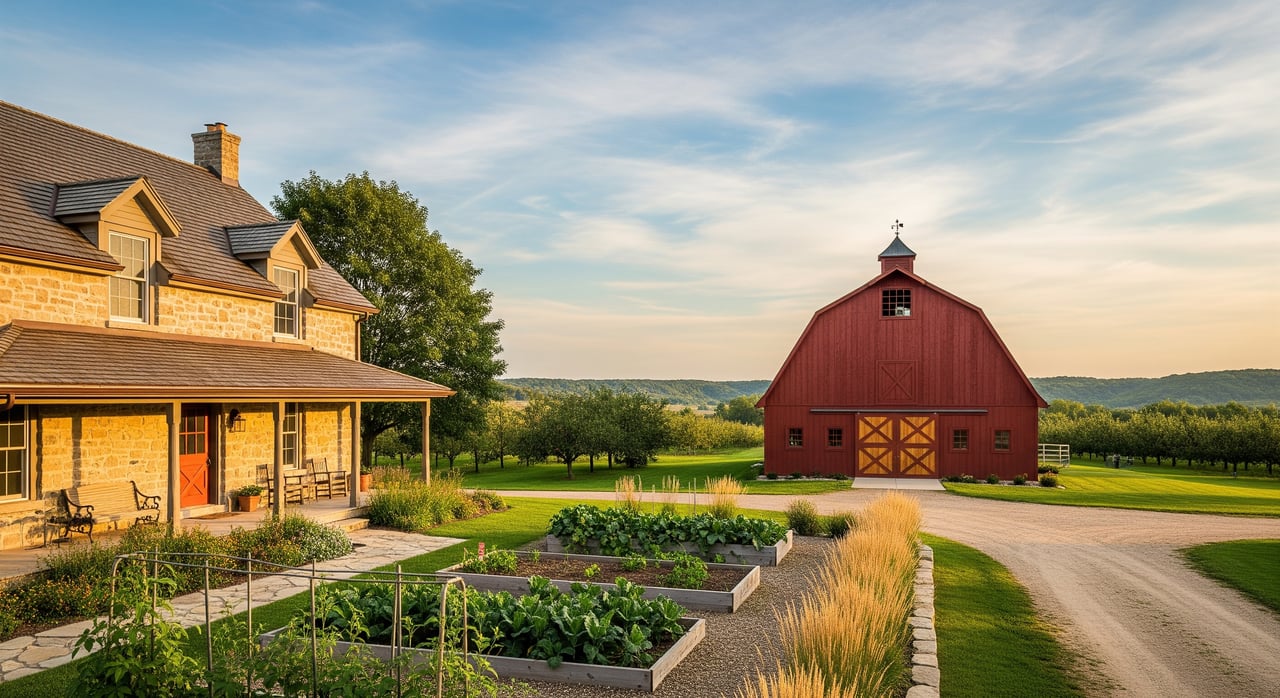
Ever wondered what it really takes to run a small hobby farm near Harmony? You’re not alone. The rolling hills, quiet roads, and scenic valleys of Fillmore County draw many weekenders and aspiring acreage owners. In this guide, you’ll learn the essentials you need to evaluate property, plan for animals and gardens, and navigate local rules with confidence. Let’s dive in.
Harmony’s Driftless setting
Harmony sits in southeastern Minnesota’s Driftless Area, where unglaciated terrain creates ridge tops, valleys, and steeper slopes. That landscape shapes how you use the land, from where you build to how you manage water and access. Expect soil depth and drainage to vary from ridge to valley, which affects gardens, pasture, and equipment access.
If you’re picturing a quiet weekend property, you’re in good company. Hobby acreage here appeals to local buyers and weekenders from regional job centers, including Rochester. The key is matching your goals to a parcel that truly fits your plans.
Climate and growing season
Southeastern Minnesota generally falls in USDA Zones 4b to 5a. Check the official USDA Plant Hardiness Zone Map to select tree, shrub, and perennial varieties that will withstand winter lows. The growing season is shorter than in more temperate regions, so plan for cool-season pasture species and be mindful of spring and fall frost risk.
When a parcel includes a creek or sits in a valley, evaluate flood risk. Use the FEMA Flood Map Service Center and county parcel resources to flag floodplains and wetland areas before you write an offer.
Pick the right parcel
Choosing the right property starts with your intended use. A small horse setup, a few beef calves, goats, backyard poultry, a large garden, or a compact orchard each needs different space and infrastructure.
- Acreage and use: For meaningful grazing, plan multiple paddocks and a rotation plan. Many owners buy hay during winter months, which reduces summer pasture pressure but adds annual costs.
- Topography and access: Slope affects erosion, safe paddock placement, equipment maneuverability, and winter plowing. Ridge parcels often drain well but can be windier and may have limited well locations. Valley bottoms can have richer soils yet more wet spots.
- Soils and productivity: Soil depth, texture, and drainage drive garden and pasture potential. Review soil data and seek technical help through USDA NRCS when you’re comparing parcels.
- Water and wells: Most rural homes rely on private wells. The Minnesota Department of Health recommends testing for coliform bacteria and nitrates prior to purchase and regularly afterward.
- Septic systems: Older systems may need upgrades to meet current standards. Ask for records and a professional septic inspection. The Fillmore County Government site is your hub for planning, permitting, and environmental services.
- Broadband and utilities: Rural electric service is typically available, but line extensions can add cost. Internet options vary. Check providers and the Minnesota Office of Broadband maps to understand what’s available at a specific address.
- Road access: Confirm whether a public entity plows the road and whether spring mud affects access. Township versus county maintenance matters for year-round usability.
Buildings and infrastructure basics
Most hobby farms benefit from a mix of functional outbuildings. Common structures include a detached garage or shop, small barn or loafing shed, hay and feed storage, a chicken coop, and possibly a greenhouse.
- Condition: Look at roof age, framing, foundations, ventilation, and rodent control. Barns on lower ground can face spring runoff issues.
- Permits: New buildings or major repairs may require county permits. Start at the Fillmore County Government site and talk with Planning and Zoning before you build.
- Fencing: Horses often do best with post-and-rail or mesh; cattle with high-tensile or electric; goats and sheep with tight mesh or woven wire; poultry with predator-resistant netting. Terrain and rock content can raise installation costs.
- Manure and composting: Even a few animals produce manure that needs storage and managed composting. Consider neighbor proximity and runoff control.
- Water for animals: Plan for winter. Frost-free hydrants, heated waterers, insulation, or hauling are common solutions in our climate.
Livestock, pasture, and crops
Hobby operations in Fillmore County often include poultry, goats, sheep, a small beef group, or one or two horses. Each species brings unique housing, fencing, and feed needs. If you plan rotational grazing, match your stocking rate to your pasture’s productivity and have a hay plan for long winters.
Predators such as coyotes and foxes are present, so poultry and small livestock need secure housing. Stay current on animal health rules and disease updates through the Minnesota Board of Animal Health. For pasture, soil testing, and small farm planning, tap into University of Minnesota Extension resources.
For gardens and small orchards, choose cold-hardy cultivars and place fruit trees where cold air can drain away from low spots. Plan for pollination and disease management suited to Zone 4 or 5 conditions.
Rules, permits, and programs
Zoning and land-use rules vary across townships and parcels. Before you commit, verify what is allowed and what requires a permit.
- Zoning and animals: Some townships set animal limits or require conditional use permits. Start with Fillmore County Government and then confirm with the township.
- Septic and wells: County requirements for septic compliance can affect closing timelines. For wells, follow Minnesota Department of Health testing guidance.
- Property taxes: Agricultural classification usually requires commercial agricultural activity or other criteria. Ask the Fillmore County Assessor how your planned use would be classified.
- Conservation and cost-share: Programs through USDA NRCS and the Minnesota Board of Water and Soil Resources can help with erosion control, native seeding, and water quality projects. Some programs include easement obligations, so review terms and duration before enrolling.
Financing, insurance, and inspections
Financing depends on what you buy. A home with acreage often fits conventional mortgage products, while land-only purchases are handled differently and can be harder to finance. Some rural development or ag lenders offer specialized options, but many focus on commercial operations.
Insurance is another key step. Standard homeowners’ policies may not cover livestock or certain outbuildings. Ask a local agent about farmowner, animal liability, and umbrella coverage suited to your uses.
Plan thorough due diligence. Recommended checks include a structural inspection, septic evaluation, and well testing for coliform and nitrates per Minnesota Department of Health guidance. A title search can reveal easements, shared driveways, or conservation restrictions. If possible, revisit in a different season to observe drainage, access, and pasture conditions.
Field checklist for showings
Use this quick checklist to keep your tour focused:
- Boundaries and fence condition; any easements or shared access.
- Well location, available well log, and recent water test results.
- Septic system age, type, last inspection, and compliance status.
- Outbuilding condition, roof age, clearances for equipment, ventilation.
- Slopes, rock outcrops, wet areas, and any tile drainage.
- Electrical service capacity and internet options confirmed with providers.
- Zoning and permitted uses, including livestock and accessory buildings.
- Floodplain or wetland mapping via the FEMA Flood Map Service Center and county GIS.
- Road maintenance responsibility and winter plowing.
- Neighboring land uses that could affect spraying, odors, or noise.
- Contacts for local vets, feed stores, and equipment suppliers.
Seasonal realities
Winters are long. Budget for hay, bedding, and reliable winter water solutions. Plan snow removal, safe animal footing, and access to outbuildings.
Spring brings mud and potential access issues, especially on steeper or poorly drained sites. Summer and fall are your windows for fence work, pasture rotation, and harvest. Even a weekend hobby farm needs daily and seasonal routines, so set a realistic time plan that fits your life.
Work with a local guide
Buying acreage in the Driftless Area is a smart move when you pair your goals with the right due diligence. As a locally rooted agent serving Harmony and surrounding towns, John offers hands-on guidance with septic, wells, easements, zoning, and practical land use so you can buy with confidence. If you’re ready to explore hobby farm properties, reach out to John Nelson for local insights and a smooth path to closing.
FAQs
How much land do I need for a horse or small herd?
- It depends on your pasture’s productivity and whether you plan to buy hay. A single horse can live on a small acreage with supplemental hay, while sustainable grazing usually requires more land and active pasture management.
Are there limits on keeping animals in Fillmore County?
- Possibly. County and township rules vary, and some areas use animal limits or conditional use permits. Confirm your specific parcel’s rules with Fillmore County Planning and Zoning and the township.
Will my property qualify for agricultural tax classification?
- Many small hobby operations do not meet agricultural classification criteria. Ask the Fillmore County Assessor how your acreage and use would be classified and how that affects taxes.
How do I check flood risk before I buy near Harmony?
- Review the property on the FEMA Flood Map Service Center and consult county GIS resources. Valleys and stream corridors can see localized flooding and seasonal high water.
What inspections should I order for a rural acreage?
- Plan a structural inspection, septic evaluation, and well testing for coliform and nitrates per the Minnesota Department of Health. A title search for easements is also recommended.
Who can help with soil and conservation planning?
- Contact USDA NRCS for soil surveys and conservation programs, and tap University of Minnesota Extension for pasture and small-farm guidance.
Will I get high-speed internet at a hobby farm?
- Availability varies by location. Check providers and review the Minnesota Office of Broadband maps to see wired, fixed wireless, or satellite options for the parcel you’re considering.