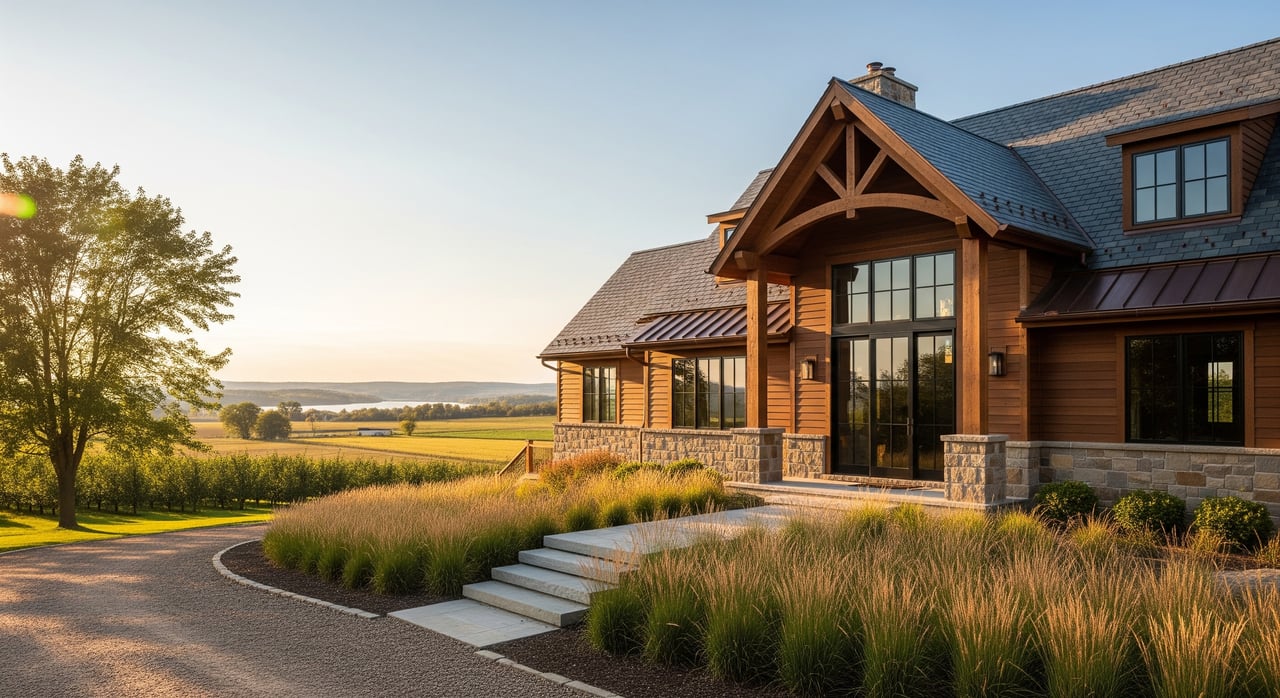
Thinking about listing your Harmony acreage this spring? If you own a rural home in 55939, you already know that every acre, outbuilding, and driveway tells a story. Pricing it right takes more than a quick average. In this guide, you’ll learn how buyers in Fillmore County view land, what appraisers consider, and how to prepare for a data-driven price that fits today’s spring market. Let’s dive in.
Why spring pricing matters
Spring is typically the most active season for rural listings in southeast Minnesota. Better weather improves access to fields, trails, and driveways, and buyer activity picks up. In a rural market with fewer sales and a smaller buyer pool, that extra momentum can help you achieve a stronger price. Your strategy should lean on local sales data and a realistic view of market time.
What drives value here
Start with the right comps
With rural property, you often need a larger search radius and a longer time window to find true comparables. A 6 to 12 month lookback is a good start, and you may need to go farther if recent sales in 55939 are limited. Focus first on properties with similar highest-and-best-use: similar acreage, land use, road access, and major improvements. When exact matches are rare, use a tiered approach that adjusts from nearby small-town residential sales for lot size and access differences.
Acreage value 101
Not all acres carry the same value. The first few acres that include the home, yard, and usable land usually carry the highest per-acre value. Additional acres may be worth less per acre, especially if they are wooded, wet, sloped, or far from the home site. You can use a market-derived per-acre adjustment or a diminishing-marginal-value method to account for this.
Key acreage factors include buildable vs non-buildable acres, soil type and productivity, parcel shape, fencing and paddocks, and access to fields or pastures. Productive tillable ground, usable fenced acreage, and well-planned paddock connectivity can drive value. Long, narrow strips or acres in floodplain usually contribute less.
Outbuildings that add value
Outbuildings can be a major part of your price. Barns, machine sheds, garages, stables, loafing sheds, grain storage, silos, arenas, and workshops each contribute differently based on function and condition. A heated, insulated shop with an office usually contributes more than an uninsulated pole shed.
Valuation can follow the market approach when there are good comps with similar buildings. If your structures are unique, the cost approach helps estimate replacement cost less depreciation. Condition matters. Unsafe or nonfunctional buildings can be a liability and may require a negative adjustment for removal or repair.
Utilities and access
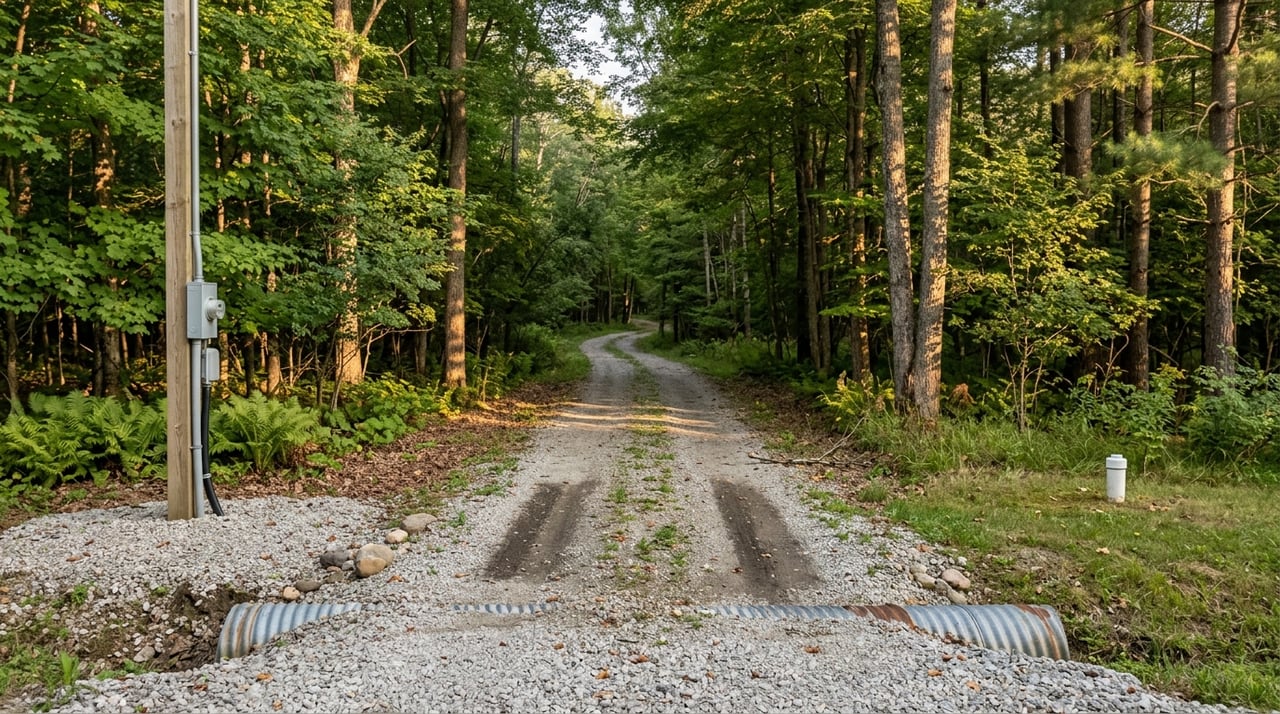
Private well and septic systems are common and expected in rural Harmony, but they add inspection and replacement considerations that some buyers weigh carefully. Road type also matters. Access on a paved county road often supports a stronger price than a long private lane that needs seasonal maintenance. Power reliability, broadband availability, and fuel type (propane vs natural gas) are also important, especially for remote workers. These details shape your buyer pool and affect both pricing and time on market.
Environmental and easements
Wetlands, floodplain, steep slopes, and conservation easements can limit future development or reduce usable acreage. If any acres are enrolled in programs like the Conservation Reserve Program or carry permanent restrictions, note how they transfer at sale. Clear documentation helps buyers and appraisers understand the property and supports your price.
Pricing strategy for 55939
Expand your comp radius
Start with sold data in Harmony and 55939. If sales are thin, expand to nearby towns in Fillmore County and southeast Minnesota while prioritizing similar land use and improvements. Include both sold and active listings to see your competition. Look at time on market to gauge demand for your property type.
Balance list price and time
Rural homes have a narrower buyer pool than suburban listings. That can mean more variation in days on market and wider negotiation ranges. A smart list price reflects your property’s unique features and the real-time supply of similar inventory. If your property targets a niche buyer, like equestrian users or serious hobby farmers, factor in the time needed to reach that audience.
Plan for appraisals and loans
Appraisers must support value with actual market data. If your property has unusual features or large acreages, financing can be more challenging and may lean on portfolio lenders or cash. USDA, conventional, FHA, and VA loans are common in rural transactions, but each has standards for utilities, safety, and access. Your pricing should anticipate the likely financing path and the appraisal evidence it will require.
Prepare for a CMA
A personalized comparative market analysis is the best way to set an accurate asking price. Gathering thorough information up front helps your agent build strong adjustments and communicate value to buyers and appraisers.
Documents to gather
- Parcel ID, legal description, and boundary map
- Recent property tax bills and any special assessments
- Assessed value history and current classification (including any agricultural or homestead status)
- Records for leases, CRP enrollment, easements, or mineral rights
Property details to note
- Total acres, estimated buildable acres, soil types, and topography
- Year built, finished square footage, bed/bath count, and major upgrades
- Heating and cooling systems, insulation, and energy improvements
- Outbuildings with type, size, age, condition, utilities, and current use
- Utilities and access: well and septic details, power source, broadband, road type, driveway length and maintenance
Pre-list inspections to consider
- Septic system inspection and compliance status
- Well test or recent water quality report
- Safety checks on outbuildings, electrical, and structural components
- Cost estimates for any repairs that could impact buyer financing or appraisal
Who is your buyer
Harmony-area rural properties draw a mix of buyers, and each group values different features. Knowing your likely buyer helps align your price and marketing.
Local movers
Buyers moving within Fillmore County often seek practical home layouts, manageable acres, and good access to services. Usable yard space and simple maintenance can be just as important as total acreage.
Hobby and equine buyers
Hobby farmers and equestrian buyers look for functional barns, quality fencing, and thoughtful paddock layout. They will often pay more for buildings that save them time and money. Highlight power, water access, and indoor-outdoor workflow.
Recreational and telecommuters
Some buyers prioritize trail systems, timber, ponds, and scenic privacy over pure agricultural productivity. Others want reliable broadband and reasonable travel routes for hybrid work. If your land is ideal for recreation or remote work, make that clear in your pricing story and marketing.
Legal, taxes, and financing details
Property classification and assessed use can influence buyer perception and taxes. If your parcel includes agricultural classification or special valuation, have documentation ready. Zoning, setbacks, and shoreland or floodplain rules can limit additional dwellings or accessory units. If you believe a future split is possible, consider a pre-listing check with county planning to confirm feasibility.
On financing, be ready for lender and appraisal requirements. Some lenders are cautious with large acreages or specialty buildings. Cash or portfolio loans are common when conventional loans do not fit, and negotiations may look different. Clear disclosures and inspection reports help keep your buyer pool confident.
Smart negotiation tips
- Price with a range in mind. Rural properties can see wider negotiation bands than suburban homes.
- Lead with documentation. Strong photos, building specs, soil or floodplain notes, and well/septic reports support your value.
- Prepare for condition credits. If an outbuilding needs repair or a system needs updating, a planned credit can keep the deal on track.
- Align with the appraisal. Anchor your price to comparable sales and clear adjustments so the appraisal process is smoother.
A quick seller checklist
- Confirm parcel boundaries and usable acres.
- List outbuildings with size, utilities, and condition notes.
- Gather tax history, assessments, leases, and easements.
- Note utilities, access type, and broadband availability.
- Schedule septic and well checks if timing allows.
- Collect cost estimates for any notable repairs.
Your next step
Pricing a rural home in Harmony is nuanced and highly local. The right number blends market data with on-site details like acres, buildings, utilities, access, and any restrictions. If you want a clear, confident path to market this spring, request a personalized CMA and a plan tailored to your property. Reach out to John Nelson to get started.
FAQs
How are acres priced for rural Harmony homes?
- Value depends on usability. The first few acres near the home often carry a higher per-acre value, while additional wooded, wet, or steep acres may contribute less.
Do old barns and sheds add value in Fillmore County?
- Functional, well-maintained buildings with power, heat, or storage typically add value, while unsafe or obsolete structures can reduce value due to repair or removal costs.
Should I split off some acres before selling in 55939?
- Subdividing can unlock value, but survey costs, county approvals, utilities, and delays can outweigh benefits; check feasibility with county planning first.
Can buyers get loans on rural Harmony properties?
- Many buyers use USDA, conventional, FHA, or VA financing, but unique features or large acreages may require portfolio loans or cash, and appraisals must support value.
How much negotiation should I expect when selling acreage?
- Rural properties often see wider negotiation ranges than suburban homes due to a smaller buyer pool and property uniqueness.
When is the best season to list a rural home in Harmony?
- Spring typically brings the most activity, with better showing conditions for land and higher buyer engagement.
What should I prepare for septic and well when selling?
- Plan for inspections or recent test results, keep service records handy, and be ready to address any compliance items that financing may require.