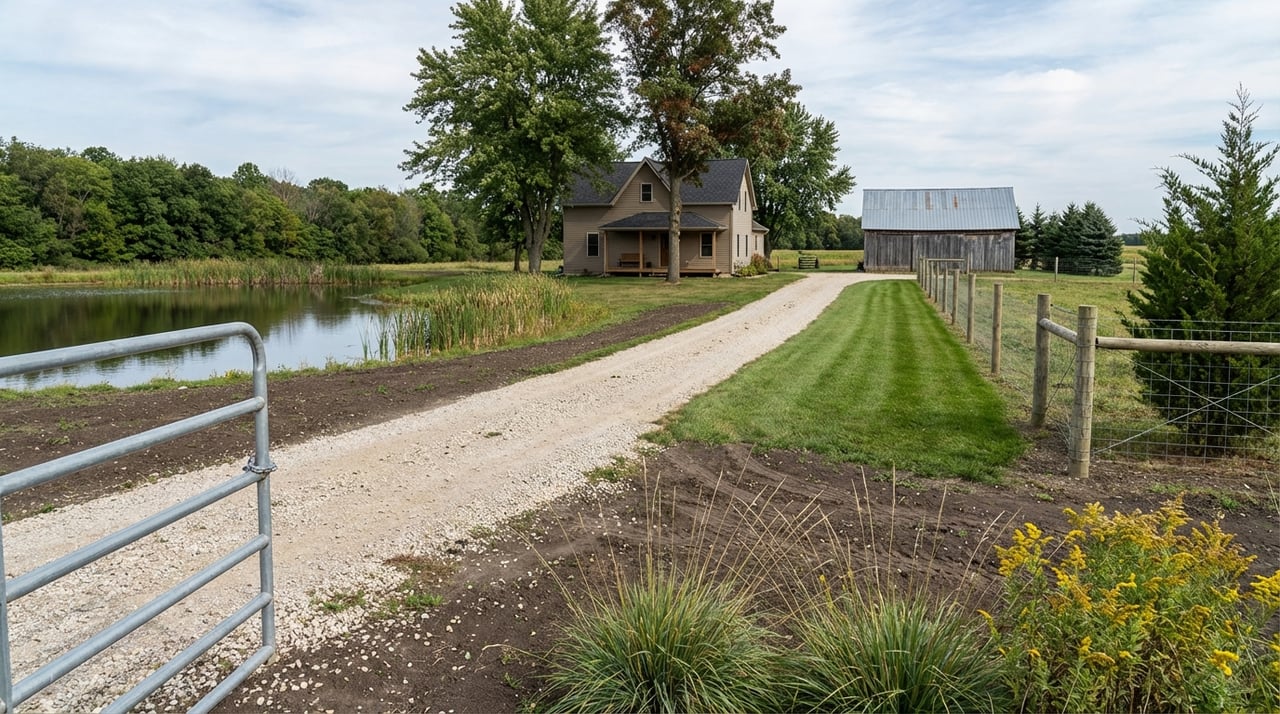
Thinking about buying acreage near Harmony in 55939? Rural land can be a dream, but it also comes with rules, permits, and site details that affect what you can build and how you use the property. You want privacy and space without surprises after closing. In this guide, you’ll learn the local checkpoints that matter most in Fillmore County so you can buy with confidence. Let’s dive in.
Zoning and permitted uses
Start by confirming the parcel’s zoning district and permitted uses. Fillmore County’s Land Use Department is the primary authority for unincorporated acreage around Harmony, and their team can confirm zoning, setbacks, and whether you need permits or variances. Visit the county’s zoning page to understand how your intended use lines up with current rules and procedures.
Shoreland and floodplain overlays can change what you can do, even if the base zoning looks flexible. Ask the county to verify if the acreage lies in any overlay district that will affect building location, lot splits, or vegetation removal. This simple step can save you time and redesign costs later.
Shoreland, floodplain, and wetlands
Minnesota’s shoreland standards set the baseline that counties adopt and enforce. If your acreage touches a lake, river, or designated stream, review the Minnesota DNR’s guidance on shoreland regulations to understand baseline setbacks, structure placement, and vegetative buffer expectations. Local enforcement happens through Fillmore County, so verify the current ordinance language with the Land Use office.
Pay close attention to designated trout streams. In 2024 through early 2025, officials discussed shoreland classification updates in Fillmore County that could increase certain setbacks near trout streams. Examples under discussion included structure setbacks shifting from about 100 feet to about 150 feet and septic setbacks from about 75 feet to about 100 feet on some streams. Always confirm the current county rules and any effective dates before you design or place improvements.
Wetlands trigger their own review. Fillmore County administers Minnesota’s Wetland Conservation Act locally. Draining, filling, or altering wetlands typically requires review, avoidance where possible, and sometimes replacement. Contact the Fillmore Soil and Water Conservation District for WCA guidance before you plan any earthwork or driveway fills.
Finally, check flood risk. Use the Minnesota DNR’s flood mapping resources to confirm if any part of the parcel or your proposed building site lies in a regulated floodplain. Floodplain status can limit buildable area and may require flood insurance.
Access and easements
Legal access is nonnegotiable. Ask for recorded easements and verify public road frontage in the deed, plat, and title work. The Fillmore County Recorder is your source for recorded road agreements, ingress or egress easements, and any restrictions that affect how you reach the property.
If your driveway will connect to a county road, you will need a permit. The Fillmore County Highway Department coordinates driveway and right of way permits and may require culvert sizing, sight distance checks, and sometimes maintenance or road use agreements where heavy equipment or frequent trucks are expected. Get written approval before you grade or surface a new drive.
For private roads, clarify who plows, grades, and repairs. Request the shared maintenance agreement, past invoices, and a map of the easement corridor. Clear language about cost sharing and standards avoids headaches after your first winter on site.
Wells and drinking water
Many rural parcels around Harmony rely on private wells. The Minnesota Department of Health recommends annual testing for bacteria and nitrate, and testing for heavy metals like arsenic and manganese at least once or when an infant or pregnant person will use the water. The health-based advisory level for nitrate is 10 mg/L, which is especially important in southeast Minnesota.
When you write an offer, ask the seller for well construction and repair records and plan a certified water test as part of your contingency. MDH provides guidance on nitrate in private wells and can point you to additional resources for testing and disclosure at property transfer.
Septic system planning
New septic systems are permitted and inspected locally under state rules. In many ordinances, new lots created after January 23, 1996 must show capacity for two Type I systems, which means you need suitable soils and space for both a primary and a reserve area. If the site has shallow soils, rock, steep slopes, or karst features, you may need a mound or other engineered system.
Before you close, have a licensed SSTS professional evaluate the site and provide realistic install and maintenance cost ranges. You can confirm designer or installer licensing and learn more about SSTS standards through the Minnesota Pollution Control Agency.
Karst and site risk
Fillmore County sits within the Driftless Area’s karst geology. Shallow, fractured bedrock, sinkholes, and springs can allow contaminants to move quickly into groundwater. If your acreage includes sinkholes or lies near losing stream reaches, take a conservative approach to septic siting, stormwater management, and any manure or chemical storage. A site-specific soils and hydrogeologic check is a smart investment.
Soils, slopes, and buildability
Use the USDA NRCS Web Soil Survey early in your search. A parcel-level soils report will flag depth to bedrock, permeability, and slope classes that influence foundations, driveways, and septic options. These maps are a screening tool only, but they help you focus field work on the most promising building areas.
Pair mapping with an onsite soils and percolation evaluation before finalizing your building plan. In a hilly or rocky area, small shifts in siting can protect your budget and help you meet county setbacks, wetland buffers, and septic standards.
Utilities and broadband
Utility availability varies by micro location. In rural Fillmore County, you will often see electric service from local cooperatives, propane for heating, and a mix of internet options that include fiber in select routes, fixed wireless, and satellite. Verify each service at the exact 911 or street address and get quotes for any needed extensions.
State-supported projects have been expanding broadband in the county, with additional buildouts announced in 2025. Local reporting shows new fiber and fixed wireless investments that will reach more households, but address-level verification is still essential.
Taxes and classification
How your acreage is used will shape how it is taxed. Agricultural classification and deferral programs are governed by Minnesota statutes and county assessor practice. If you plan hobby farming, leasing ground to a farmer, or converting part of a field to residential or recreational use, talk with the assessor about likely classification, homestead eligibility, and what happens if use changes after closing.
If you are buying a split from a larger farm, ask how the new parcel will be classified and whether any deferrals or special valuations will unwind. Early clarity helps you budget for the first and second year of ownership.
Buyer due diligence checklist
Use this sequence to streamline your diligence and protect your timeline:
Pull the parcel map, tax record, and recorded documents from the Fillmore County Recorder. Confirm legal access, easements, and any recorded restrictions that affect road use or building.
Call Fillmore County Land Use to confirm zoning, shoreland or floodplain overlays, and current setbacks. Ask specifically whether any recent trout stream classification updates affect the parcel and request the exact ordinance citations.
Run a USDA NRCS Web Soil Survey for the parcel and schedule onsite soils and percolation testing for your preferred building site. Use results to confirm septic feasibility and driveway routing.
Request well records from the seller and plan a certified water test. Start with bacteria and nitrate, and add metals testing if recommended by MDH guidance on nitrate in private wells.
Order a title commitment and survey that show all easements and rights of way. If private access is involved, make sure the easement language covers your intended use and includes maintenance terms.
If you plan to build, consult a licensed SSTS designer early. Confirm whether your parcel creation or building plan must show space for two Type I systems and get cost estimates for any mound or advanced treatment system.
Check for wetlands and conservation encumbrances with the Fillmore SWCD. Ask about WCA applicability and whether CRP, RIM, CREP, or other programs limit grading or building.
Confirm utilities, including internet, at the precise address. Consider current options and timing for any fiber or fixed wireless expansion in your area of Fillmore County.
Links for your research:
- Fillmore County Land Use and Zoning
- Minnesota DNR shoreland regulations
- Fillmore SWCD for WCA guidance
- Fillmore County Highway Department permits
- Fillmore County Recorder
- MDH guidance on nitrate in private wells
- MPCA SSTS licensing and rules
- USDA NRCS Web Soil Survey
- Minnesota DNR flood mapping resources
- KTTC coverage of broadband projects in Fillmore County
Work with a local guide
Buying acreage near Harmony is part dream and part small land development project. When you line up zoning, access, water, septic, and utilities early, you protect your budget and expand your options for how the land can live for you. If you want a local, responsive partner who can organize the right calls, documents, and site checks, reach out to John Nelson for straightforward guidance and a smooth path to closing.
FAQs
What should I check first when buying acreage near Harmony?
- Start with zoning, shoreland or floodplain overlays, and recorded access, then confirm soils, septic feasibility, and well water testing with county and state resources.
How do trout stream setbacks affect my building site?
- Recent discussions in Fillmore County considered larger setbacks on designated trout streams, so confirm today’s required distances with the county before placing structures or septic.
How do I handle wetlands on a rural parcel?
- Contact the Fillmore SWCD for Wetland Conservation Act review before any grading or fills and be prepared for avoidance, minimization, or replacement requirements.
Do I need a permit for a new driveway on a county road?
- Yes, coordinate with the Fillmore County Highway Department for driveway and right of way permits, including culvert sizing, sight distance, and any road use conditions.
What water tests are recommended for private wells?
- At minimum, test for bacteria and nitrate annually, and add metals like arsenic or manganese when advised; the MDH nitrate guidance sets 10 mg/L as the advisory level.
How can I confirm septic feasibility before I buy?
- Hire a licensed SSTS professional to complete a site evaluation and design concept, and verify with the county whether your parcel must show space for two Type I systems.
How do I check floodplain status on my acreage?
- Use the Minnesota DNR’s flood maps and confirm with the county whether any part of your proposed building area lies in a regulated floodplain that would add limits or insurance.
What should I know about taxes on ag land I plan to use for recreation?
- Classification and deferral depend on actual use, so speak with the county assessor about how a shift from agricultural production to residential or recreational use would affect taxes.
What are my internet options on rural land near Harmony?
- Options vary by address, ranging from fiber in limited corridors to fixed wireless and satellite, so verify service and any extension costs at the exact driveway location.