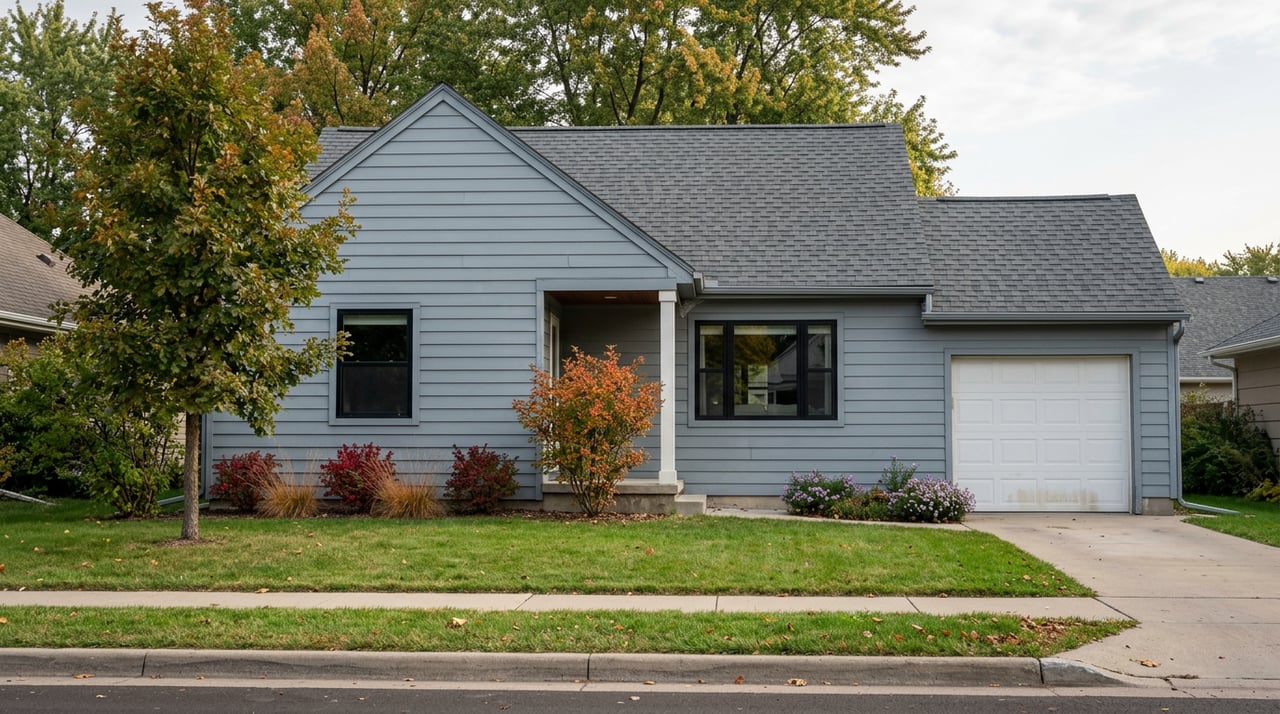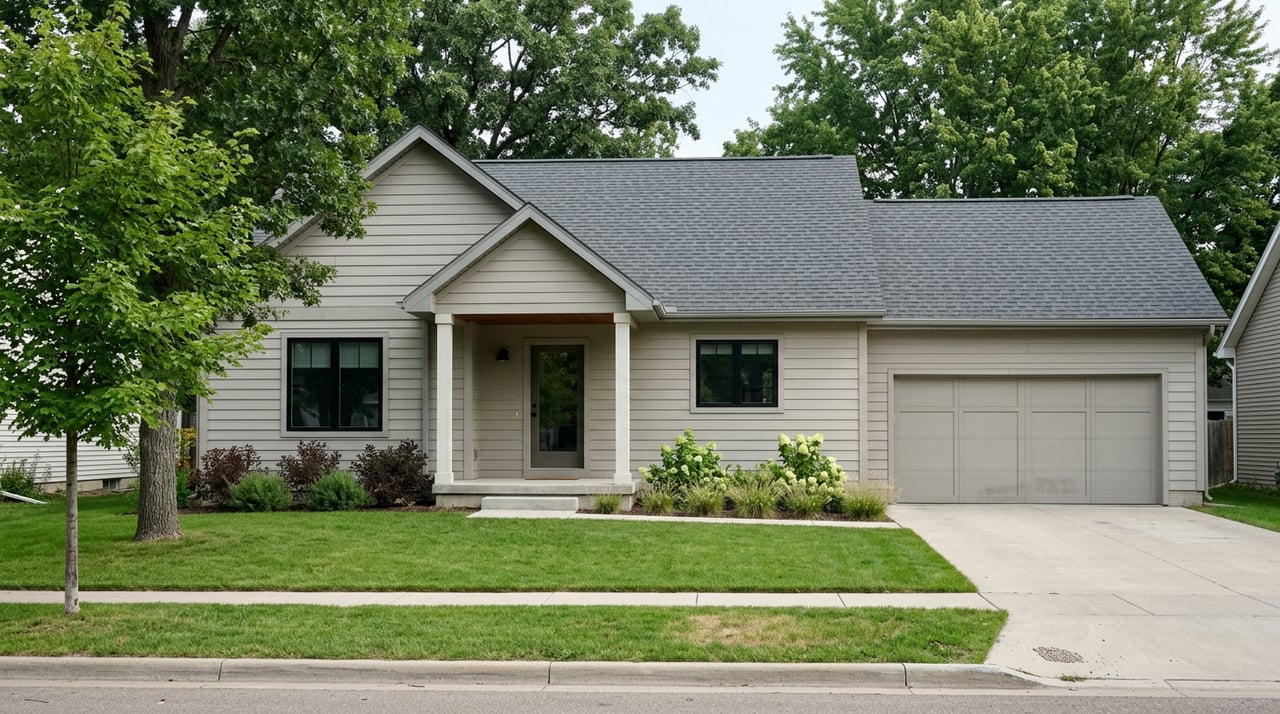
Thinking about selling your home in Preston and not sure where to start? You are not alone. In our small, low‑inventory market, timing, paperwork, and pricing can make a big difference. This guide walks you through each step, with a special focus on septic and well requirements and the disclosures Minnesota law expects. You will finish with a clear plan and the right local resources to move forward. Let’s dive in.
What to expect in Preston
Selling in Preston comes with a few local must‑knows. Fillmore County closely manages septic rules at property transfer, and Minnesota requires written seller disclosures along with well and radon information. Getting in front of these items early saves time and stress later.
- Septic systems: Fillmore County enforces transfer‑time procedures and often uses escrow when systems are non‑compliant. Start early with the county’s Land Use team and state forms.
- Wells: Minnesota law requires a well disclosure. If a Certificate of Real Estate Value is recorded, you also file an MDH well disclosure certificate.
- Disclosures: Minnesota’s seller disclosure law applies to most residential sales. Radon disclosure is also required statewide.
For quick reference, see Fillmore County’s zoning and SSTS information and the MPCA’s SSTS forms and fact sheets.
Step‑by‑step selling plan
8–6 weeks: Gather key paperwork
Pull together the documents buyers, lenders, and the county will expect.
- Property tax statements and parcel information. Check with the Fillmore County Auditor/Treasurer for copies and CRV guidance.
- Deed and title documents.
- Any septic system records and your most recent compliance certificate.
- Well construction, sealing, and water testing records.
- Any prior inspection reports, permits, and repair invoices.
As you gather records, bookmark the Fillmore County Land Use page for SSTS details and the Minnesota Department of Health well disclosure guidance.
Septic first: Verify compliance and avoid escrow
If your property uses a septic system, put septic at the top of your list. Fillmore County requires SSTS compliance at transfer and can require escrow if a system is not currently compliant. Early action helps you avoid last‑minute surprises.
- Order or locate your most recent septic compliance inspection. The MPCA outlines compliance inspection forms and typical certificate validity periods.
- If you lack a current certificate, schedule an inspection now. If repairs or upgrades are needed, you may have limited time to complete them. The county can allow escrow arrangements when work must be done after closing.
- File required forms with the county per local procedures. If you receive a Notice of Noncompliance, get repair estimates in writing and discuss options with your agent before listing.
Useful links: Fillmore County Land Use for SSTS procedures and the MPCA’s SSTS forms and fact sheets.
Wells: Disclose early and completely
Minnesota requires sellers to disclose the number, location, and status of wells on the property and provide a sketch map. When a CRV is recorded, a well disclosure certificate must also be filed with the deed.
- Complete the MDH well disclosure form and collect any construction or sealing records.
- If you have water test results or recent service records, include them. Clear records reduce buyer uncertainty.
For details and forms, see the MDH guidance on wells at property transfer.
Consider a pre‑listing home inspection
A pre‑listing inspection is optional but can be a smart move, especially if your home is older or you want to reduce contingency risk. Identifying and correcting issues up front lets you price confidently and avoid renegotiation later.
Prep, photos, and light staging
Focus on simple, high‑impact steps. Address obvious maintenance, touch up tired paint, and declutter living spaces. Invest in professional listing photos and light staging for the kitchen, main living area, and primary bedroom. Clear, inviting visuals help shorten days on market.
Price it right in a small market
Preston has a low inventory and small sample size, so portal medians vary and can swing month to month. Rather than lean on a single data source, price with a local comparative market analysis that uses recent closed sales.
- Use comps from the past 6–12 months in Preston or the same township.
- Adjust for land size, outbuildings, utility connections, and condition.
- Factor the status of your septic and well. Strong documentation can improve terms.
- In thin markets, small price differences can affect time on market. A competitive list price often draws stronger early activity.
List with complete disclosures
Minnesota law requires a written residential seller disclosure that covers known material facts. Provide this to buyers before signing a purchase agreement. If facts change before closing, update your disclosure.
- Complete the state seller disclosure form as required under Minnesota Statutes chapter 513.
- Provide the radon disclosure and the Minnesota Department of Health radon publication as required by the Radon Awareness Act.
- Include septic records and any well disclosure information in your listing packet.
- For homes built before 1978, follow federal lead‑based paint disclosure rules and provide the required pamphlet.
Link references: Minnesota’s seller disclosure statute and the state radon statute.
Offers and negotiation in Fillmore County
When offers arrive, look beyond price. In our area, septic status and well documentation can influence terms and timing.
- Review financing strength, inspection and appraisal contingencies, earnest money, and requested closing dates.
- Clarify any proposed escrow for septic work. Fillmore County’s SSTS ordinance and local practice allow escrow for non‑compliant systems in some transfers.
- If feasible, resolve septic compliance before accepting an offer. Clean paperwork reduces buyer leverage and helps deals stay on track.
For context on local SSTS updates and escrow use, see the Fillmore County Journal overview of county amendments.
Inspections, appraisal, and county filings
Expect a general home inspection, and in many rural sales, septic and well testing. Buyers often order a radon test. Lenders will order the appraisal.
- Provide any current septic certificate or escrow documentation per county rules. The MPCA outlines compliance and filing expectations for SSTS transfers.
- Make sure your well disclosure is complete and accurate. If a CRV is recorded, confirm the well disclosure certificate is ready for recording with the deed.
Closing costs and timeline
Most Preston sales close about 30 to 60 days after offer acceptance, depending on financing and contingencies. Your specific timeline will reflect septic paperwork, lender requirements, and title work.
Typical seller costs can include broker commission, prorated property taxes, agreed credits or repairs, state deed tax, and title or recording fees. Commission rates are negotiable and vary by market. For broader industry context on commissions, see this recent report.
Confirm recording requirements and deed tax with the Fillmore County Recorder. For property tax statements or CRV questions, check with the Auditor/Treasurer.
Seller checklist
Use this list to stay organized before you list.
- Recent property tax statement and parcel details from the Auditor/Treasurer
- Minnesota seller disclosure and radon disclosure
- Septic records and current compliance certificate, or scheduled inspection
- Well disclosure, sketch map, and any MDH records or water tests
- Optional pre‑listing inspection report
- Professional photos and a brief home features sheet
- Contact info for local contractors and, if needed, septic or well specialists
Helpful sources: Fillmore County Land Use for SSTS, MDH well disclosure, and MPCA SSTS forms.
Avoid these common pitfalls
- Waiting to check septic until you are under contract. Non‑compliance can trigger escrow, delays, or buyer concerns.
- Incomplete well disclosure or missing sealing records. These issues can create legal exposure and recording delays.
- Pricing from a single national portal. In a small market, rely on a CMA built from very recent local closed sales.
Where to get forms and help
- Fillmore County Land Use and Zoning. Start here for SSTS transfer requirements and forms.
- MPCA SSTS forms and fact sheets. Official compliance inspection form and guidance.
- Minnesota Department of Health. Well disclosure details and radon resources.
- Fillmore County Auditor/Treasurer. Property tax statements and CRV guidance.
- Fillmore County Recorder. Recording, deed tax, and well certificate filing.
- University of Minnesota Onsite Sewage Program. Septic education and links to licensed professionals.
Selling in Preston is very doable when you handle septic, well, and disclosures early and price with local comps. If you want a clear plan, professional marketing, and hands‑on guidance with county paperwork, reach out to John Nelson for a free, local consultation.
FAQs
What disclosures do Minnesota home sellers need?
- Most sellers must provide a written residential seller disclosure under Minnesota Statutes chapter 513, plus a radon disclosure and MDH radon publication before the buyer signs a purchase agreement.
How do septic rules affect a Preston home sale?
- Fillmore County requires SSTS compliance at transfer. If a system is not compliant, the county can require escrow, which is why an early inspection and paperwork can prevent delays.
What is required for private wells at property transfer?
- You must disclose the number, location, and status of wells and provide a sketch map. If a CRV is recorded, an MDH well disclosure certificate must be filed with the deed.
Should I get a pre‑listing inspection?
- It is optional but helpful, especially for older homes. Finding issues early lets you repair or price accordingly and can reduce renegotiation during the buyer’s inspection period.
How should I price my Preston home?
- Use a local CMA with recent closed sales from Preston or the same township. Adjust for land, outbuildings, utility connections, and condition. Avoid relying on a single national portal number.
What seller costs should I expect at closing?
- Commission is negotiable and varies by market. You may also see prorated taxes, state deed tax, title or recording fees, and any agreed credits. Ask your agent and title company for an estimate.