Wondering whether a vacation home in Lanesboro is a smart lifestyle move or a risky purchase? If you love the idea of easy trail days, river time, and a small-town getaway with real character, Lanesboro can make a strong case. The key is knowing what you are really buying into, from seasonal demand to zoning and upkeep. Let’s dive in.
Why Lanesboro attracts vacation-home buyers
Lanesboro stands out because it offers more than one kind of getaway. The town sits at the center of the Root River State Trail, a 42-mile paved trail with easy downtown access and connections that bring the total paved riding network to more than 60 miles. That makes it especially appealing if you want a place where you can arrive, park the car, and enjoy the area right away.
The appeal is not just about biking. Local tourism materials also highlight paddling, downtown shops, galleries, and theatre, which gives the town a broader visitor draw. If you want a second home that feels active and interesting beyond one single season or hobby, that mix matters.
Lanesboro is also known for its arts programming. Tourism materials describe it as an arts destination and point to places like Commonweal Theatre, galleries, and annual events. That can help support trips during shoulder seasons, even when peak bike traffic slows down.
When a Lanesboro vacation home makes sense
For many buyers, Lanesboro works best as a personal-use retreat first and a possible rental second. The strongest case is when you want a place to enjoy yourself during the warmer months, with the option to offset some costs during peak visitor periods. That is very different from buying strictly for year-round income.
The local visitation data supports that view. In the Minnesota DNR’s 2019 trail visitor study, trail use in June, July, and August was more than three times the level seen in April and October. Tourist share also climbed on weekends and holidays, which tells you the busiest times tend to be tied to summer travel patterns and event weekends.
If your goal is simple, low-touch cash flow in every season, Lanesboro may feel less predictable. If your goal is a getaway you will actually use and enjoy, with selective rental potential, the fit can be much better.
Seasonality is the biggest reality check
One of the most important questions is whether demand is steady all year. Based on the DNR study and local tourism patterns, the answer is no. The Root River State Trail is open year-round, but actual use is much heavier in summer.
That means your ownership experience will likely have a rhythm. Summer, weekends, holidays, and event periods should feel livelier, while other times may be quieter. For some buyers, that is a positive because they want a peaceful retreat outside the peak season.
For others, it can be a challenge. If you are counting on consistent bookings every month, you should go in with realistic expectations. Lanesboro has an established visitor economy, but it is not the same as a market built around nonstop year-round resort demand.
What homes you are likely to find
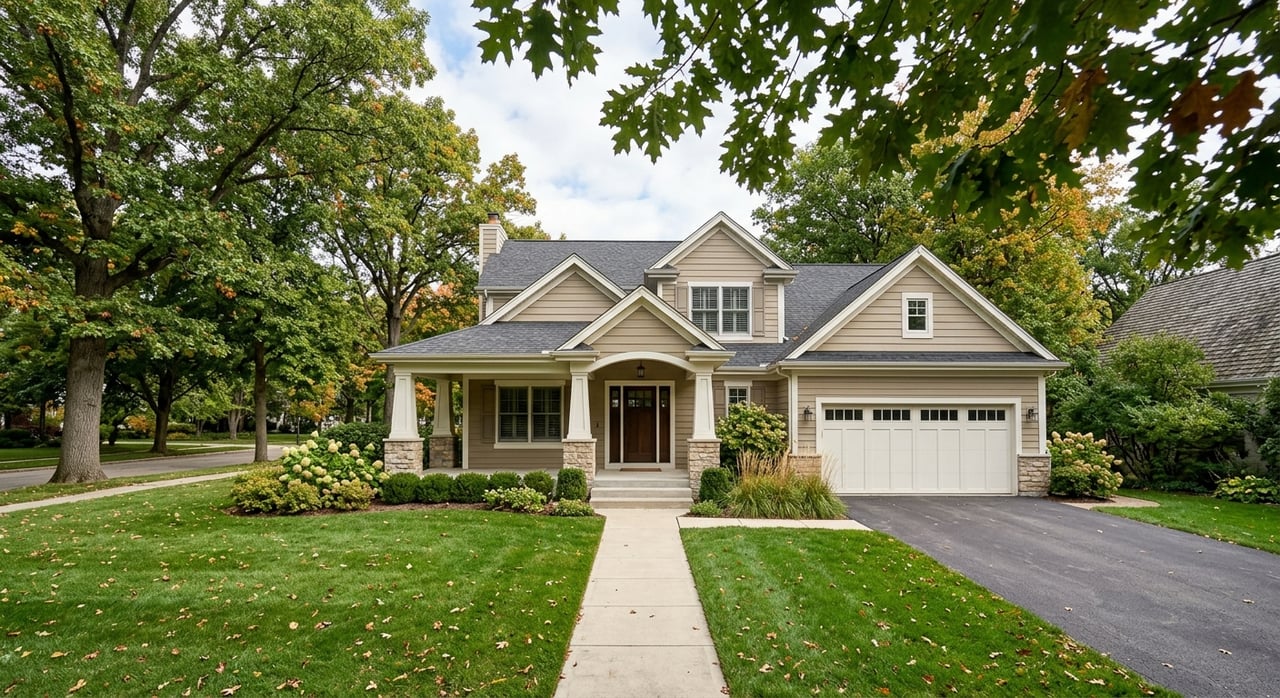
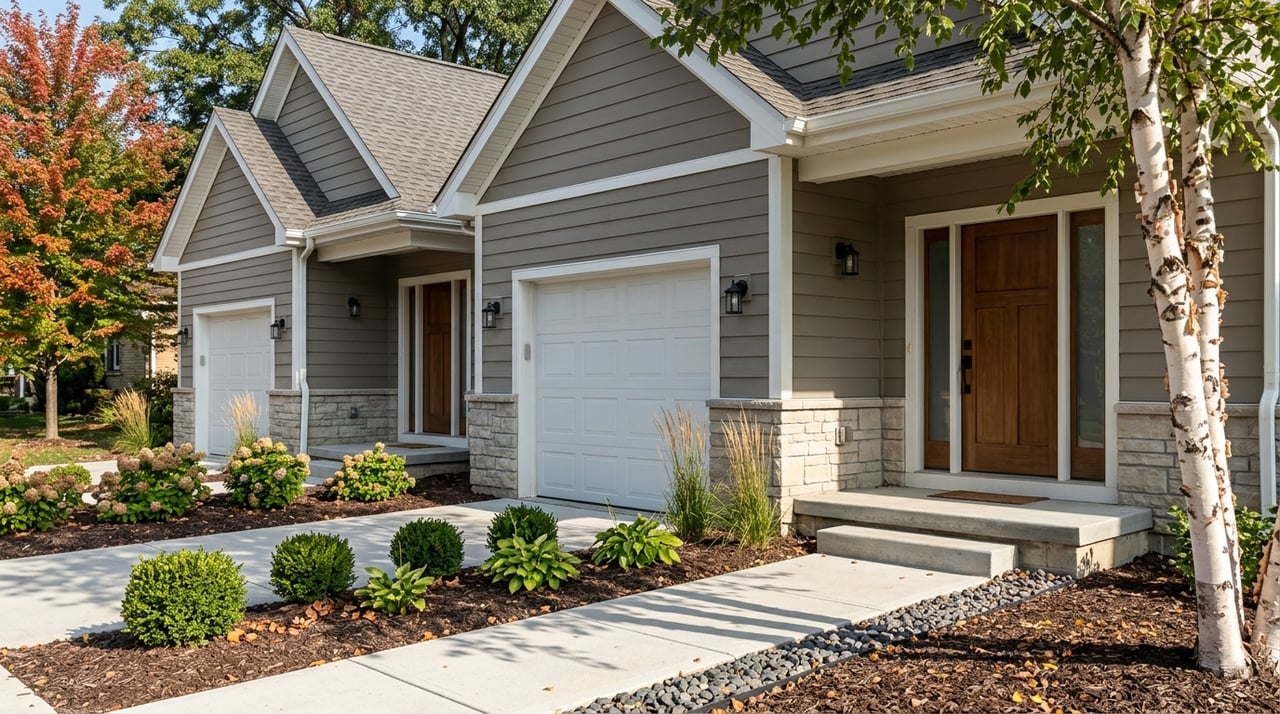
Lanesboro’s housing stock is mostly traditional residential housing, not large-scale resort-style development. The city’s comprehensive plan says the housing stock is predominantly single-family detached. It also notes a higher share of two-unit and 10-to-19-unit buildings than the county and state.
You should also expect many homes to be older. The same plan notes older housing stock and says there were zero homes built in 2014 or later at the time of that plan. In practical terms, that can mean more charm, but it can also mean more maintenance, repairs, and inspection items.
The town also has a notable concentration of bed and breakfasts, Airbnb rentals, and small-town hotels. So if you plan to rent your vacation home, you would be entering an active lodging environment rather than creating a brand-new niche.
Can any Lanesboro home be a short-term rental?
This is where buyers need to slow down and verify details early. You should not assume that any home can automatically be used as a short-term rental. In Lanesboro, zoning and district rules matter.
The city’s 2024 land-use amendments define a vacation dwelling unit as a dwelling offered for periods of 1 to 29 nights. In the downtown C-1 district, vacation dwelling units such as VRBOs and Airbnbs are permitted only if they are located above the first floor. That is a very specific rule, and it can affect how attractive a property is if rental use is part of your plan.
Residential districts are treated differently. The ordinance summary allows resident-family room rentals for lodging or vacation dwelling purposes, but limits them to no more than two rooms in a one-family dwelling, and a resident family member must be physically present during the rental period. That means some properties may be a poor fit for an absentee-style short-term rental setup.
Licensing and taxes to plan for
If you plan to rent the home, compliance goes beyond zoning. Lanesboro requires both a state license and a city license for lodging businesses. The city license is annual and runs from April 1 through March 31.
The city also imposes a 3% lodging tax on lodging receipts for stays shorter than 30 days. Minnesota Revenue also treats short-term lodging as taxable and notes that local sales and city lodging taxes may apply. Those costs should be part of your budget from day one.
This matters because gross rental income is not the same as usable net income. Before you buy, it helps to understand how licensing, taxes, and operating costs may affect the actual numbers.
What ownership may feel like day to day
A vacation home in Lanesboro may be fun to own, but it is not always low-maintenance. The city’s planning documents specifically call for continued enforcement of housing and property-maintenance standards. That is a clue that upkeep can be a real factor, especially with older homes.
If you are comparing Lanesboro to a newer suburban second home, expect a different ownership experience. Older housing can come with more repair items, more seasonal upkeep, and more attention to systems and exterior condition. That does not make it a bad buy, but it does mean you should budget both time and money.
If your search expands beyond homes on municipal systems, there is another layer of due diligence. Rural or edge-of-town properties may use private well and septic systems, and those need careful review before closing.
Well and septic checks matter nearby
In southeast Minnesota, rural property details can shape your ownership costs and your peace of mind. The Minnesota Department of Health says private and public wells provide drinking water for three out of four Minnesotans. The Minnesota Pollution Control Agency says more than 600,000 Minnesota homes and businesses use septic systems.
If you are looking outside the core of town, ask clear questions about the water source, septic design, testing history, and current condition. A great-looking getaway can become far less relaxing if major system issues show up after closing. This is one area where local guidance can make a big difference.
Rental potential is real, but selective
There is real evidence that visitors spend money on lodging in this area. In the DNR trail study, more than half of tourists who stayed overnight chose private commercial lodging such as vacation rentals, hotels, motels, resorts, or private campgrounds. Lodging was also the largest expense for tourists, averaging $297 per trip group.
That tells you there is an established overnight market. It also tells you your property would compete with existing lodging choices, including vacation rentals and traditional accommodations. So rental success is possible, but it is not automatic.
In most cases, the best-positioned property will be one that matches how people actually visit Lanesboro. Easy access to downtown, trail connections, and a setup that fits local rules may matter more than chasing a purely investment-focused strategy.
Questions to ask before you buy
Before you move forward, keep your due diligence focused on the issues that matter most in Lanesboro:
- Is the property in a zoning district that supports your intended use?
- If you want short-term rental income, does the property qualify under current city rules?
- Will you need both city and state lodging licenses?
- How will the 3% city lodging tax and Minnesota lodging taxes affect your numbers?
- What repairs or upgrades might be needed because of the home’s age?
- If the property is outside municipal utilities, what is the condition of the well and septic system?
- Are you comfortable with a market that is strongest in summer, weekends, and holidays?
These questions can save you time and money. They can also help you avoid buying a property that fits your dream on paper but not in practice.
So, should you buy a vacation home in Lanesboro?
The answer depends on your goal. If you want a charming bluff-country base near trails, river recreation, arts programming, and a walkable downtown experience, Lanesboro can be a very appealing place to own a second home. It looks strongest as a personal getaway that may also produce selective peak-season rental income.
It is a weaker fit if you want steady year-round occupancy, minimal management, or a pure investment property with little sensitivity to zoning, licensing, and seasonal demand. In other words, Lanesboro can be a great lifestyle buy, but only if you go in with clear expectations.
If you are thinking about buying in Lanesboro or nearby southeast Minnesota, working with a local agent who understands small-town housing stock, zoning questions, and rural property details can help you make a more confident decision. When you are ready to talk through your options, reach out to John Nelson for practical local guidance.
FAQs
Is Lanesboro, Minnesota a good place for a vacation home?
- Lanesboro can be a strong choice if you want a personal getaway centered around trail access, river recreation, arts, and small-town amenities, especially during the warmer months.
Is short-term rental demand steady in Lanesboro?
- No. Demand appears strongest in summer and on weekends or holidays, rather than as a steady year-round rental pattern.
Can any home in Lanesboro be used as an Airbnb or VRBO?
- No. You should verify zoning, district rules, and licensing requirements because downtown and residential districts are treated differently under city rules.
What taxes apply to short-term rentals in Lanesboro?
- Qualifying stays shorter than 30 days are subject to a 3% city lodging tax, and Minnesota also taxes short-term lodging.
What should buyers inspect before buying near Lanesboro?
- Focus on zoning, license eligibility, the condition of older home systems and structure, and for rural properties, the well and septic system condition and water quality.
Are older homes common in Lanesboro?
- Yes. The city’s comprehensive plan describes the housing stock as older, which can mean more upkeep and repair planning for vacation-home buyers.