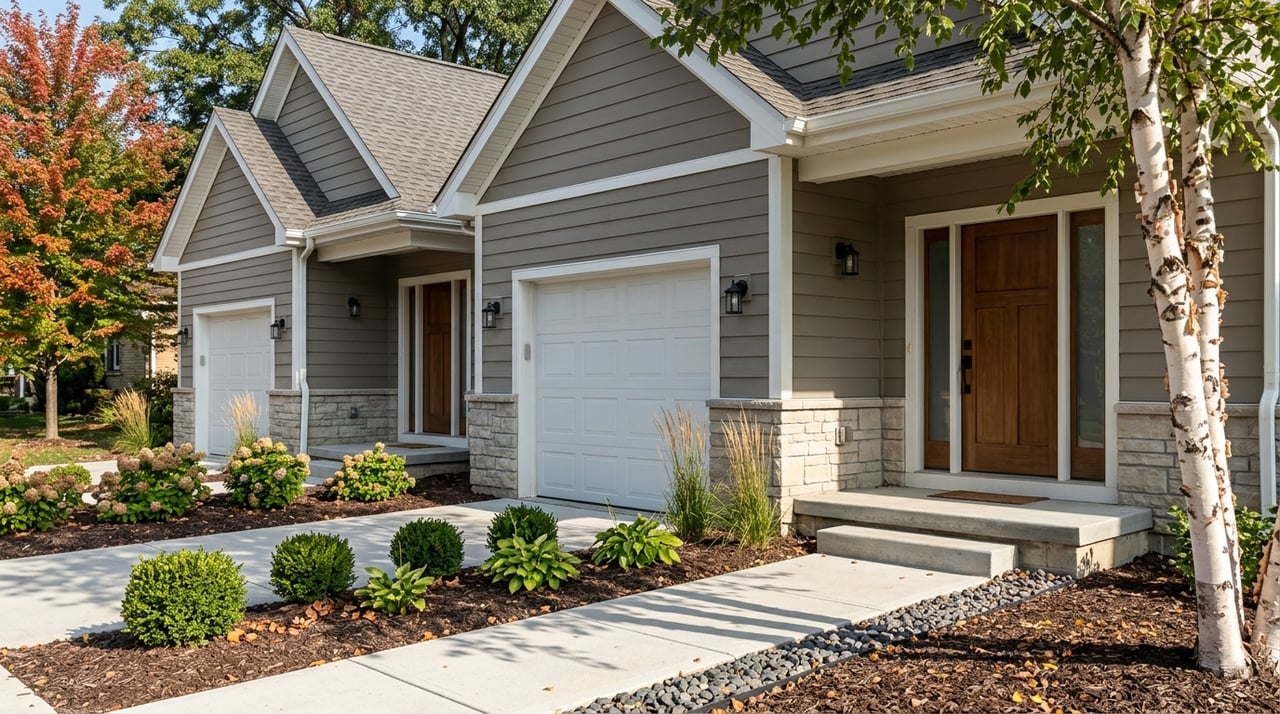
Trying to choose between a condo and a house in Rochester, MN? You are not alone. In a fast-moving market, the right answer depends less on what is “better” and more on how you want to live, commute, and budget each month. If you are weighing convenience against space, this guide will help you sort through the real tradeoffs so you can make a confident move. Let’s dive in.
Rochester housing moves fast
Rochester is a very competitive housing market. Recent market data shows a median sale price of $330,000, average time on market of 19 days, and 45.5% of homes selling above list price.
That matters whether you are shopping for a condo, townhome, or single-family house. If a property fits your needs and is priced well, you may need to move quickly.
Start with your day-to-day lifestyle
Before you compare listings, think about how you want your week to feel. Your housing choice affects your commute, maintenance time, privacy, storage, and flexibility.
For many buyers in Rochester, the decision comes down to this: do you want easier living close to the action, or do you want more room and more control over your property? That question usually points you in the right direction.
When a condo or townhome makes sense
A condo or townhome often fits buyers who want less exterior maintenance. In many Minnesota common interest communities, the association handles items like snow removal and yard care.
That can be a big plus if you travel often, work long hours, or simply do not want to spend weekends on outdoor upkeep. It can also appeal to buyers who want a more lock-and-leave lifestyle.
Condo living can support a downtown routine
Downtown Rochester is compact and walkable. Local downtown materials describe many amenities within a one-mile radius, along with skyways, underground walkways, bus service, ride-share options, trolley service, and airport shuttles.
If you want easier access to restaurants, events, and the downtown medical core, attached housing may be worth a close look. For some buyers, being near daily destinations matters more than having a larger lot.
Commute convenience matters in Rochester
Mayo Clinic College notes that commuting within Rochester rarely exceeds 15 to 20 minutes, though most people still rely on personal vehicles. Rochester also has 40 weekday public transit routes, along with park-and-ride options and shuttle service.
If you expect to spend a lot of time downtown or near the medical core, living closer in may simplify your routine. That can make a condo or townhome especially appealing.
What to know about association living
The biggest practical difference between a condo or townhome and a house is usually the homeowners association or common interest community. In Minnesota, these communities often come with dues, rules, and the possibility of special assessments.
The association may regulate things like parking, pets, and smoking. It may also maintain common elements, while you remain responsible for your own unit and for damage caused by you or your guests.
Lower maintenance does not mean no responsibility
This is an important point for buyers. Attached housing can reduce exterior work, but it does not remove ownership responsibilities.
You still need to budget carefully and understand what the association covers versus what you cover. That is why condo and townhome purchases require extra document review before closing.
Review these documents before you buy
If you are considering a condo or townhome in Rochester, Minnesota guidance says you should review:
- The declaration
- Bylaws
- Rules and regulations
- Budget
- Reserve information
- Insurance information
- Any lawsuits involving the association
Minnesota also gives buyers a 10-day cancellation window after receiving the required disclosures, unless that right is waived. That makes due diligence a major part of buying attached housing.
When a house is the better fit
A single-family house usually makes more sense if you want more privacy and more control. Many buyers also prefer a house if they want a yard, extra storage, more garage space, or fewer restrictions on updates and repairs.
If you like the idea of choosing your landscaping, planning future projects, or simply having more separation from neighbors, a house may feel like a better long-term match. In real life, that freedom is often the biggest reason buyers choose detached homes.
Space can matter more than convenience
Rochester offers more than 3,500 acres of parkland and more than 148 miles of trails, so outdoor living is a real part of the local lifestyle. Still, some buyers want private outdoor space of their own, not just shared or nearby recreation.
If a yard, patio, garden, or extra elbow room is high on your list, a house will likely rise to the top. The tradeoff may be more maintenance and a longer drive to downtown destinations.
Do not compare price alone
One of the biggest mistakes buyers make is comparing only the list price. A condo or townhome may have a lower asking price than a house, but your full monthly cost can tell a different story.
You will want to compare the total ownership picture, not just the sticker price.
Compare the full monthly budget
Asking prices in Rochester show a wide range for attached housing. Current online listings include condos from about $84,900 to $299,900 and townhomes from about $189,900 to $1.1 million.
Those are asking prices, not sale medians, but they show how much attached-home pricing can vary based on size, finishes, and location. A lower purchase price does not automatically mean lower total cost.
Use this checklist when comparing options:
- Monthly mortgage payment
- HOA dues
- Estimated property taxes
- Insurance costs
- Maintenance reserve
- Possible special assessments
Olmsted County provides a property tax estimator, and tax statements are mailed in late March. That makes tax planning an important part of your decision in the Rochester area.
Rochester proper or nearby towns?
Sometimes the real decision is not condo versus house. Sometimes it is Rochester versus more space in a nearby community.
Olmsted County includes other cities buyers often consider, including Byron, Stewartville, Chatfield, Eyota, Dover, Oronoco, and Pine Island. If Rochester proper does not offer the right fit, you have solid fringe-market options nearby.
Nearby towns can offer a different balance
Byron is just west of Rochester. Stewartville is about 8 miles south of Rochester. Oronoco describes itself as a small city near Rochester with a peaceful rural setting.
For buyers who want more space while staying connected to Rochester, those communities can be worth exploring. You may find the tradeoff between convenience and room feels more comfortable there.
A simple way to decide
If you are stuck, do not start with the property type. Start with your priorities.
Ask yourself these questions:
- Do you want less exterior maintenance?
- Do you want to be closer to downtown Rochester?
- Do you expect a regular commute to Mayo Clinic or the medical core?
- Are you comfortable with dues and association rules?
- Do you want a yard, more privacy, or more storage?
- Do you want more control over repairs and upgrades?
- Would a nearby town give you a better fit than Rochester proper?
Your answers will usually reveal the better path. A condo or townhome often works best for buyers who value convenience and lower exterior maintenance. A house often works best for buyers who want space, privacy, and more freedom.
Local guidance can save you time
In a market as active as Rochester, clarity matters. The more clearly you define your must-haves, budget, and ideal routine, the easier it becomes to spot the right property quickly.
That is especially true when you are comparing Rochester with nearby communities on the fringe. A local agent can help you weigh not just price, but also commute patterns, ownership costs, and the practical differences between association living and detached ownership.
If you want help comparing condos, townhomes, and houses in Rochester or nearby communities like Byron, Stewartville, Chatfield, or Oronoco, John Nelson can help you narrow your options and move forward with confidence.
FAQs
Should you buy a condo or house in Rochester, MN?
- It depends on your priorities. A condo or townhome may fit better if you want lower exterior maintenance and easier access to downtown Rochester, while a house may fit better if you want more privacy, yard space, and control over repairs or upgrades.
Are Rochester condos always cheaper than houses?
- Not necessarily. HOA dues, insurance, taxes, and possible special assessments can narrow the cost difference, so you should compare the full monthly budget instead of list price alone.
Is downtown Rochester, MN walkable for condo owners?
- Yes. Downtown Rochester is described as compact and walkable, with many amenities within a one-mile radius plus skyways, underground walkways, transit options, and shuttle services.
What should you review before buying a Rochester condo or townhome?
- You should review the association declaration, bylaws, rules, budget, reserve information, insurance information, and any lawsuits involving the association.
What if you want more space but still need Rochester access?
- Nearby communities like Byron, Stewartville, Oronoco, Chatfield, and other Olmsted County area towns may offer a better balance of space and access to Rochester.
How competitive is the Rochester, MN housing market?
- Rochester is very competitive. Recent market data shows a median sale price of $330,000, homes averaging 19 days on market, and 45.5% of homes selling above list price.