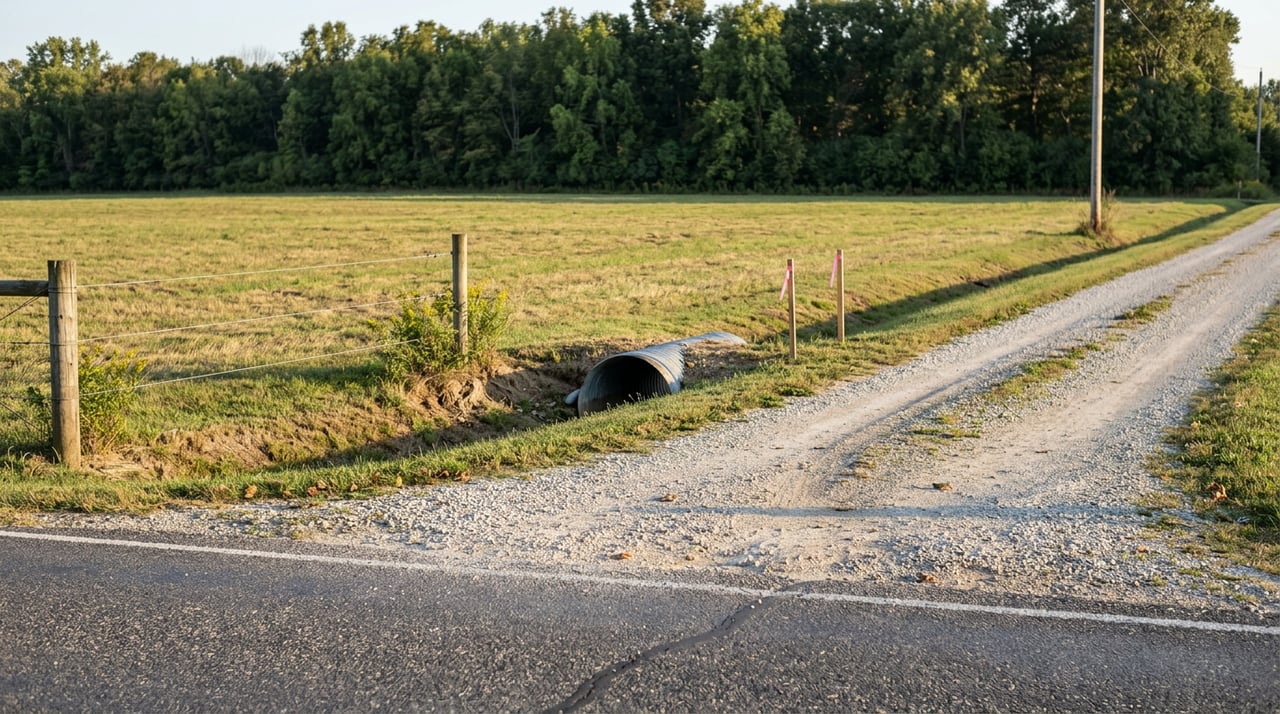
Thinking about selling your country acreage near Rushford? Rural parcels can attract passionate buyers, but the process is different from selling an in-town home. You face unique rules, technical checks, and marketing choices that can add time if you do not plan ahead. In this guide, you will learn what to expect so you can protect your price and move to closing with confidence. Let’s dive in.
Who buys near Rushford
Rushford sits in Minnesota’s Driftless bluff country with the Root River, trout streams, and the Root River State Trail close by. These amenities draw hobby-farm and lifestyle buyers, recreation and hunting buyers, and weekend owners who value water and trail access. Regional buyers often commute from Rochester, La Crosse, or Winona, and listings commonly highlight those drive times. You can see how local listings lean into scenery and access in this example of a large Fillmore County acreage on a land marketplace (sample listing with amenities and commute context).
What drives value
- Usable or buildable acreage after you account for wetlands, shoreland setbacks, and bluff slopes.
- Legal access and the condition of private infrastructure like driveway, well, septic, and power.
- Topography and timber resources, plus any CRP or conservation income.
- Proximity to the Root River, trout streams, and the state trail, which matter to recreation buyers.
- Broadband availability. Coverage is improving in Fillmore County, but it varies by area, so verify service before you market high-tech claims (county broadband snapshot).
Must-do compliance checks
Septic compliance in Fillmore County
Most rural transfers require a Subsurface Sewage Treatment System (SSTS) compliance inspection and filing at recording. If the ground is frozen, the county allows an escrow with a deadline to complete work, typically by June 1. A failed or non-compliant system can change your timeline and price, so schedule early and plan for repairs if needed (county SSTS transfer rules).
Minnesota well disclosure
You must disclose all known wells before signing a purchase agreement and file a Well Disclosure Certificate (or deed statement) at recording. Sellers who fail to disclose known wells can be liable for sealing costs and attorneys’ fees (Minnesota statute on well disclosure). For forms and buyer-facing guidance, review the Minnesota Department of Health materials (MDH well disclosure guidance).
Surveys and parcel splits
If you plan to split acreage or your legal description is metes-and-bounds, expect to involve a licensed surveyor. Fillmore County’s subdivision ordinance sets Certificate of Survey requirements and references state platting rules. Survey lead times often run several weeks, and longer for complex splits (Fillmore County subdivision rules; survey FAQs).
Shoreland, bluffs, floodplain, and buffers
Parcels along DNR-classified waters like the Root River follow state shoreland standards that local ordinances enforce. These rules set setbacks, minimum lot sizes, and protections near bluffs and floodplains, which can narrow buildable areas (shoreland overview). Vegetated buffers are required in many locations next to protected waters, and wetland delineation may be needed to confirm usable acreage (Fillmore SWCD buffer program).
Access, roads, and easements
Confirm legal, recorded access by public road frontage or easement, and document who maintains the road. Township roads, private drives, and cartways carry different expectations that buyers will ask about. Start with the county Land Use and Highway contacts to verify records and map access clearly in your listing (Fillmore County Land Use).
Conservation and ag classification
If your land is in CRP, RIM, or other conservation programs, disclose contracts and transfer conditions. Agricultural tax classifications and use-value programs can affect taxes and buyer expectations, so gather documentation early (farmland protection tools).
A realistic timeline
Every parcel is different, but these ranges help set expectations.
8+ weeks before listing
- Request your parcel file from Fillmore County Land Use to confirm SSTS records, permits, and any shoreland or floodplain tags (county contact).
- Hire a licensed surveyor if you need a boundary retracement or plan a split. Complex work can take multiple weeks (survey FAQs).
- Schedule the required SSTS compliance inspection if you have a septic system, and get repair bids if it looks marginal (SSTS transfer rules).
- Gather well logs and consider a simple water test so buyers have immediate confidence (MDH well disclosure guidance).
4 to 6 weeks before listing
- Finalize a current Certificate of Survey if needed or if you are changing boundaries (county subdivision rules).
- If shoreland, floodplain, or wetland issues are likely, connect with the SWCD to identify buildable areas and any needed delineation or buffers (Fillmore SWCD buffer program).
During marketing and contract
- Provide SSTS and well disclosure documents in your listing packet to streamline buyer due diligence. If the septic inspection must wait due to frozen ground, set an escrow with a clear deadline and terms per county guidance (SSTS transfer rules).
Closing and recording
- File the well disclosure certificate or deed statement and the SSTS compliance or escrow documentation with the county at transfer. Confirm forms and signatures with the Recorder and Land Use offices.
Marketing that works
Selling acreage is not the same as selling a city lot. The right assets give buyers clarity and reduce contingencies.
- High-quality aerial and drone photos that show boundaries, access points, and topography.
- A clear map of buildable areas that accounts for shoreland setbacks, bluffs, wetlands, and buffers.
- Soil or NRCS maps and a simple utility summary: well, septic, power, and any broadband providers.
- A concise disclosure packet with survey, SSTS certificate, well information, easements, and any conservation contracts.
- Targeted outreach to regional buyer pools, including recreation and lifestyle audiences who value the Root River and trail network.
Seller prep checklist
Use this quick list to get market-ready and protect your price.
- Pull the county parcel file and confirm shoreland, floodplain, and permit history.
- Book the SSTS compliance inspection. If winter is approaching, plan for escrow terms.
- Prepare the well disclosure with a simple map of well locations and any test results.
- Order a current Certificate of Survey if boundaries are unclear or a split is planned.
- Compile conservation contracts, timber agreements, mineral rights status, and recorded easements.
- Produce marketing assets: aerials, topo and soil maps, buildable area overlay, and an access summary that notes maintenance responsibilities.
Red flags to fix early
- Failed or non-compliant septic system found during inspection.
- Unrecorded or unclear access with no easement on file.
- Unknown or unsealed wells not disclosed.
- Wetlands or buffers that reduce expected buildable acreage.
- Shoreland or bluff limits that restrict future building sites.
How I help you sell
You deserve a smooth, predictable sale with no last-minute surprises. I pull county parcel, SSTS, and well records up front, coordinate surveyors and inspectors, and package the disclosures buyers expect so you keep leverage in negotiations. I also tailor marketing to the buyers most likely to love your land and set clear contract terms when season or site conditions delay inspections. If you are thinking about selling acreage around Rushford or anywhere in Fillmore County, let’s talk through your parcel and timeline.
Ready to plan your sale? Schedule your free market consultation with John Nelson.
FAQs
What are the septic rules when selling rural land near Rushford?
- Fillmore County typically requires a Subsurface Sewage Treatment System compliance inspection and filing at transfer, with an escrow option if frozen ground delays work.
What well disclosures do Minnesota sellers need for country acreage?
- You must disclose all known wells before signing a purchase agreement and file a Well Disclosure Certificate or deed statement at recording per Minnesota law.
How long does a survey or parcel split take in Fillmore County?
- Simple boundary work can take several weeks, while complex Certificates of Survey or splits may take months due to fieldwork and county processes.
How do shoreland and bluff rules affect building near the Root River?
- Shoreland standards set minimum setbacks and protect bluffs and floodplains, which can narrow buildable areas and may require permits or added steps.
How should I verify broadband for a rural property?
- Check current provider maps and local projects because coverage varies by area in Fillmore County, then market verified options instead of assumptions.
What marketing helps sell recreational acreage around Rushford?
- Aerials, a buildable-area map, clear access documentation, and a complete disclosure packet attract qualified recreation and lifestyle buyers faster.