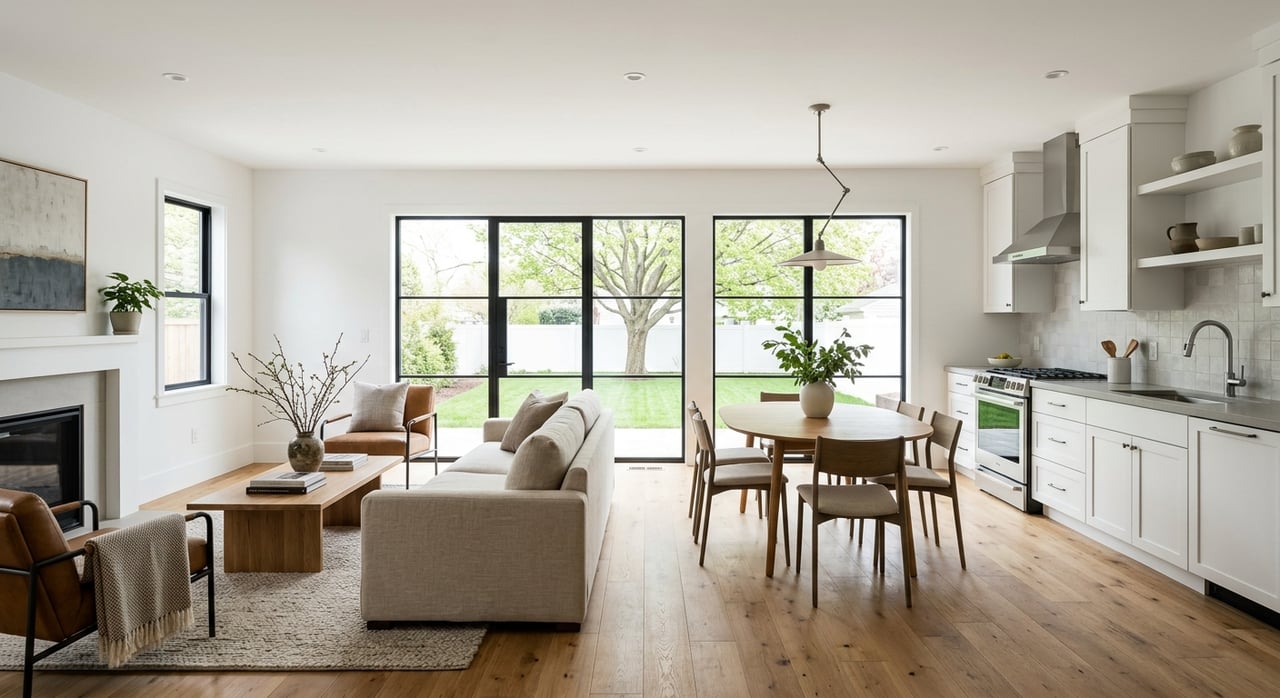
Thinking about selling your Chatfield home? In a small market, buyers often make fast decisions based on the first photos they see and the first showing they attend. That can feel like a lot of pressure, but the good news is that the right prep can make your sale feel far more manageable. With a smart plan, you can focus on the updates that matter most and avoid last-minute surprises. Let’s dive in.
Why prep matters in Chatfield
Chatfield is a smaller community with a more limited buyer pool than a large metro market. Public market snapshots point to active inventory in the low teens, which means each listing has to work hard to stand out. If your home is close to Rochester and commuter-friendly, it may appeal to both local buyers and people looking for small-town living with access to Rochester.
In a market like this, presentation carries extra weight. The first week on the market, the quality of your photos, and the way buyers perceive your home’s condition can all have an outsized impact on showing activity. When inventory is limited and buyer attention is focused, a clean, well-prepared home has a better chance to make a strong first impression.
Start with the basics first
Before you think about major projects, focus on the core steps that help a home look clean, cared for, and move-in ready. Staging does not have to mean a full redesign. It usually means cleaning, decluttering, repairing visible issues, depersonalizing, and making the space easier for buyers to picture as their own.
According to the National Association of Realtors 2025 Profile of Home Staging, 83% of buyers’ agents said staging makes it easier for buyers to visualize a home. About half of sellers’ agents also reported that staged homes spent less time on the market. That makes a practical pre-listing plan well worth your time.
Declutter visible spaces
Start by removing extra furniture, countertop clutter, stacks of paper, and personal items that distract from the room itself. Your goal is not to make the home look empty. Your goal is to make each room feel open, functional, and easy to understand.
Pay special attention to entry areas, living spaces, kitchen counters, and bathroom surfaces. Closets and storage areas matter too, because buyers often open doors and want to see usable space. If a room feels crowded in person, it will usually feel even smaller in photos.
Deep clean before photos
A clean home signals care and routine maintenance. Before the photographer arrives, aim for a deep clean rather than a quick tidy-up. Windows, floors, baseboards, kitchen surfaces, bathrooms, and light fixtures all affect how bright and polished the home feels.
This step matters even more online. Research shows that many buyers decide whether they want to walk through a home based on what they see in the listing photos. If your home looks fresh and well-kept in those images, you are more likely to earn strong early interest.
Fix the small problems buyers notice
Minor visible defects can create bigger questions in a buyer’s mind. A dripping faucet, chipped paint, loose handle, burned-out light bulb, or damaged screen may seem small, but several of those issues together can make the home feel less cared for.
Handle simple repairs before your home is photographed and shown. In many cases, these lower-cost fixes do more for buyer confidence than larger cosmetic projects. If you are unsure what is worth fixing and what can wait, that is where a local agent’s guidance can help.
Focus on the rooms buyers notice most
Not every room needs the same level of attention. The 2025 staging data from NAR found that buyers rated the living room, primary bedroom, and kitchen as the most important rooms to stage. If your time or budget is limited, start there.
Living room
Your living room should feel bright, comfortable, and easy to picture for everyday use. Remove oversized furniture if it makes the space feel tight. Add simple touches like balanced lighting, tidy surfaces, and a clean layout that shows how the room flows.
Primary bedroom
The primary bedroom should feel restful and spacious. Neutral bedding, clear nightstands, and fewer personal items can go a long way. If the room doubles as storage or workspace, simplify it so buyers can understand its main purpose right away.
Kitchen
In the kitchen, clear off most countertop items and keep only a few essentials or tasteful accents. Clean appliances, cabinet fronts, sinks, and backsplash areas carefully. Buyers tend to notice kitchens quickly, and even small improvements in cleanliness and organization can sharpen the whole listing.
Make online presentation a priority
In Chatfield, where the buyer pool is smaller, online presentation matters even more. Many buyers will decide whether your home is worth a tour based on the photos alone. That means your pre-list work should be finished before the photo shoot, not after.
If your home is vacant, virtual staging may help buyers understand the scale and use of a room in the online listing. Still, the in-person experience needs to feel just as clean and believable. A buyer should walk in and feel that the photos matched the home.
Gather records before you list
A smooth sale is not only about appearance. It is also about being organized. In Minnesota, sellers are generally required to provide a written disclosure of material facts that could adversely and significantly affect a buyer’s ordinary use or intended use of the property.
That is why it helps to start gathering documents early, before your listing goes live. This is especially important in southeast Minnesota, where homes may have wells, septic systems, shared access arrangements, or outbuildings that raise common buyer questions.
Well records
If your property has a well, Minnesota requires the seller to disclose the number and status of known wells and provide a sketch map before the purchase agreement is signed. If there are no wells on the property, the deed can include a no-wells statement instead.
Try to gather any documents that help identify well location, condition, and status before you list. Having this ready can reduce delays once a buyer is interested.
Septic records
The Minnesota Pollution Control Agency notes that more than 600,000 homes and businesses in Minnesota use septic systems and recommends tank evaluation at least every three years. If your home uses a septic system, gather pumping records, inspection reports, repair invoices, and any known replacement dates.
These documents help answer buyer questions early and can make your transaction feel more straightforward. In rural and small-town markets, records like these often matter more than sellers expect.
Other helpful documents
You may also want to collect:
- Receipts or notes for major repairs or updates
- Survey or easement documents
- Information about shared driveways or boundary understandings
- Records related to outbuildings or other site improvements
The more organized you are upfront, the smoother your sale is likely to feel once offers and inspections begin.
Choose timing after the home is ready
Many sellers ask when they should list. National sales patterns often show stronger activity in spring and summer, but timing is best treated as a planning decision rather than a prediction. In a smaller market like Chatfield, being fully ready for launch may matter more than rushing to market half-prepared.
If you know you want to move next season, start early. Work through decluttering, repairs, cleaning, photography planning, and disclosure gathering before your ideal listing window arrives. That way, when the timing is right based on local inventory and your move-out plans, your home is ready to make the best possible first impression.
A simple pre-list plan
If you want to keep your prep focused, use this sequence:
- Declutter and depersonalize the most visible spaces
- Deep clean the entire home
- Fix minor visible defects
- Focus staging on the living room, primary bedroom, and kitchen
- Gather well, septic, and repair records
- Schedule photos only after the home is fully ready
- Choose your launch timing based on readiness, season, and local inventory
How local guidance helps
It can be hard to know which projects will help your sale and which ones are just extra work. That is especially true in a market like Chatfield, where small details can affect buyer interest in a big way. A local, full-service approach can help you stay focused on the updates, staging choices, and paperwork that actually move your sale forward.
John Nelson helps sellers sort through that process step by step, from pre-listing prep to pricing, photography, disclosures, negotiation, and closing. If you want practical advice on getting your Chatfield home ready for market, schedule your free market consultation with John Nelson.
FAQs
What should you fix before listing a home in Chatfield, MN?
- Focus on visible, lower-cost issues first, such as chipped paint, dripping faucets, loose hardware, damaged screens, burned-out bulbs, and anything that makes the home feel less maintained.
Which rooms matter most when preparing a Chatfield home for sale?
- The living room, primary bedroom, and kitchen are the top rooms to prioritize because buyers often pay the closest attention to those spaces.
What records do you need if your Minnesota property has a well?
- You should be ready to disclose the number and status of known wells and provide a sketch map before the purchase agreement is signed.
What septic information should you gather before selling a home in Chatfield?
- Collect septic pumping records, inspection reports, repair invoices, and any known replacement dates so buyers can review the system history early.
When should you take listing photos for a Chatfield home sale?
- Schedule photos only after decluttering, cleaning, repairs, and staging are complete so your online presentation is as strong as possible from day one.