Wondering how to sell recreational land near Harmony, MN without overpromising or missing something important? You are not alone. Land buyers in Fillmore County often care about trail access, privacy, habitat, and views, but they also ask detailed questions about zoning, access, wells, septic, and whether the parcel can support future use. If you want a smoother sale and fewer surprises, it helps to prepare the property the right way from the start. Let’s dive in.
Start With What Buyers Want
Recreational land near Harmony has a clear local story. The area connects to the Root River and Harmony-Preston Valley state trail system, and the Minnesota DNR describes the Root River State Trail as a 42-mile paved trail through bluff country. The Harmony trailhead also includes water, restrooms, and a playground, which adds to the area’s outdoor appeal.
That setting shapes what many buyers look for in a parcel. They may be drawn to wooded acreage, wildlife habitat, privacy, open views, and proximity to trails. The DNR also notes common wildlife along the corridor, including deer, wild turkey, hawks, and turkey vultures, which can make habitat and cover meaningful selling points.
Still, the best listing language is grounded in facts, not guesswork. Buyers may love the idea of a future cabin or home site, but county and city rules decide what the land can actually support. That is why the strongest land listings balance lifestyle appeal with verified property details.
Verify Zoning Before You Market
One of the biggest mistakes sellers make is advertising land for uses that have not been confirmed. In Fillmore County, zoning overlays can affect what is allowed, what needs review, and where building may be limited. Before you describe a parcel as buildable, camp-ready, or cabin-ready, you should confirm the facts.
Fillmore County’s zoning ordinance includes overlays that can matter a lot for rural recreational land. These include floodplain, scenic trail, shoreland, and bluffland. Even a beautiful parcel with trees, water features, or trail access may come with restrictions that affect value and buyer interest.
Scenic Trail Rules Matter
If your land is in the scenic trail district, special limits may apply near a DNR trail. In an agricultural district, commercial or industrial business is barred within 200 feet of a DNR trail. New residences are also barred within that same 200-foot buffer in an agricultural district, except when replacing an older dwelling.
That can directly shape how your land should be presented. A parcel near the trail may still be attractive for recreation, but you should avoid suggesting residential potential unless that has been verified. Buyers appreciate clarity, especially when they are comparing multiple land options.
Floodplain and Shoreland Can Affect Use
The county ordinance states that new dwellings are not allowed in the agricultural district within any part of the 100-year floodplain. Shoreland rules also matter. In Fillmore County, shoreland applies to land within 300 feet landward of the ordinary high water level of protected watercourses.
These features can add appeal, but they can also limit improvements and future plans. If your parcel includes creek frontage, low ground, or bluff-country features, those should be reviewed carefully before the property hits the market.
Some Recreation Uses May Be Allowed
Not every limitation is a dealbreaker. Fillmore County allows some recreation-oriented uses in certain districts, and some may require conditional approval. The ordinance gives examples such as campgrounds in the agricultural district, forest and game management areas in shoreland-ag contexts, and open-space uses in floodway areas like hiking trails, hunting and fishing areas, wildlife preserves, and recreational trails.
The key is accuracy. A parcel can be excellent recreational ground and still have meaningful limits. The safest approach is to market the property for what it is today and only describe future use after you have confirmed zoning and permitting facts.
Confirm Whether The Land Is In Harmony
Before you market the parcel, confirm whether it is inside Harmony city limits or in unincorporated Fillmore County. That one detail can change the path for permits and approvals. It is a simple step, but it can prevent confusion later.
For unincorporated parcels, county zoning usually controls. For parcels inside Harmony city limits, the city process applies. Harmony states that a zoning permit is required before construction begins, and the city also lists connection fees when sewer, water, or electrical hookups are needed.
Gather The Right Property Facts
A good land sale starts with a clean, accurate information package. Recreational buyers often move carefully because they are not just buying scenery. They are buying access, usability, and confidence.
A strong listing package should usually include:
- A current parcel map
- Aerial photos
- Road frontage photos
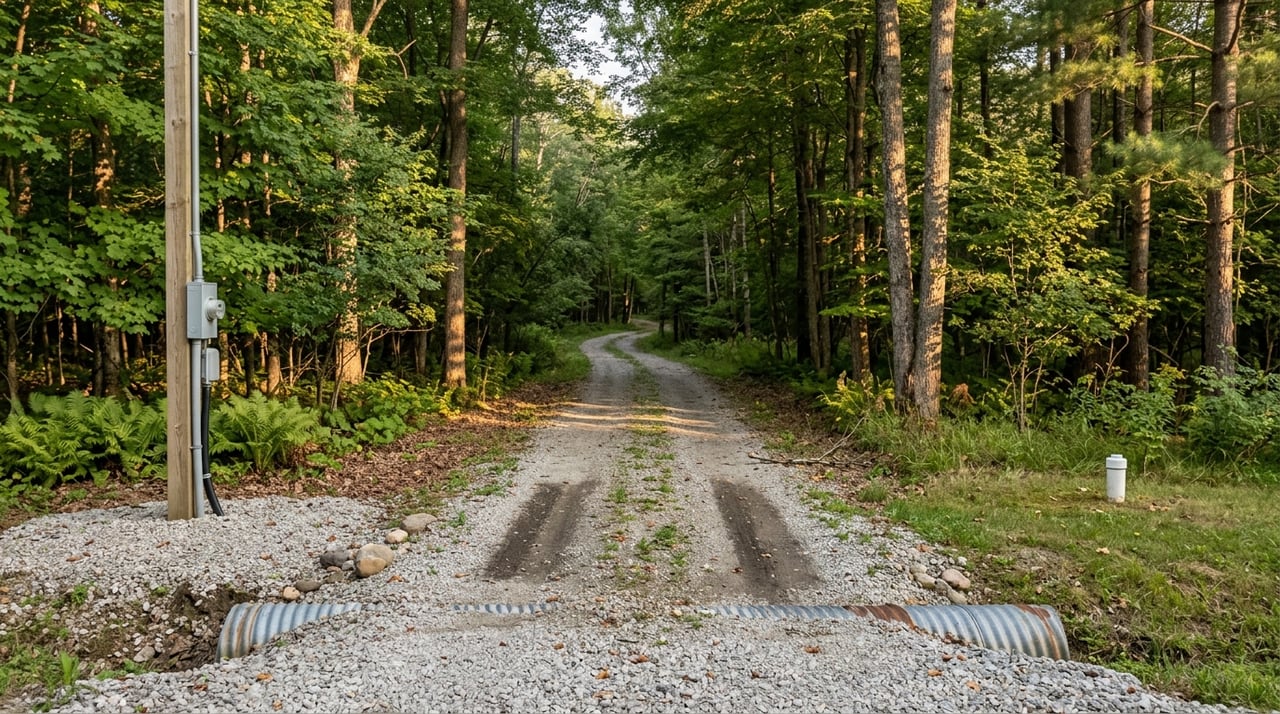
- Notes about known legal access
- Notes about timber, clearing, or habitat features
- Known well or septic details
- Any known trail, shoreland, floodplain, or zoning limits
Fillmore County’s property records portal also warns that assessment data comes from the last certified assessment date and can change. That means acreage, taxes, and parcel details should be verified against current county records before pricing or advertising the property.
Be Careful With Buildability Claims
Buyers often ask whether they can build a cabin, park an RV, or eventually construct a home. Those are reasonable questions, but sellers should answer them carefully. If the property has not been reviewed for those uses, it is better to say the land may have potential subject to county or city confirmation than to market it as ready for development.
This matters even more if the parcel is being split. Fillmore County’s suitability review for land division considers flooding, wetlands, steep slopes, poor soils or rock, water or sewage limits, wildlife habitat, and historic sites. In other words, lot creation and buildability are not just about acreage.
Disclose Material Facts Clearly
Minnesota sellers and licensees need to take disclosure seriously. According to the Minnesota Department of Commerce, real estate licensees must disclose material facts they know that may adversely and significantly affect the use or enjoyment of the property. Examples include easements, encroachments, and faulty septic systems.
For land sellers, that means it is worth gathering your paperwork early. If there is shared access, a driveway agreement, a utility easement, or a known boundary issue, that should be part of the conversation before a buyer gets deep into due diligence. Clear disclosure helps protect the transaction and builds trust.
Handle Well Disclosure The Right Way
If your parcel has a well, Minnesota law requires disclosure of the status and location of all known wells before the sale. The required information must appear on a well disclosure certificate at closing unless the deed includes the proper certification language stating there are no wells or no change in well status.
This is not a small detail. Under Minnesota law, failure to disclose a known well can create liability for sealing costs and attorney fees. The Minnesota Department of Health also says private well water testing is not required by the state at transfer, although a lender may still request it.
Check Septic If There Is A Structure
If the land includes a structure and is in Fillmore County shoreland, septic compliance can become a transfer issue. Under the county ordinance, a nonconforming sewage treatment system must be upgraded whenever a permit or variance triggers review. The ordinance also requires a certificate of inspection from a certified installer before the county recorder records the transfer.
If the system is found to be nonconforming, the owner must bring it into conformance within 90 days under the ordinance. For sellers, that means septic questions are better handled early than late. Waiting until the closing stage can create delays and extra stress.
Price And Present The Land Honestly
The best recreational land listings near Harmony usually do two things well. First, they show the lifestyle value of the property through photos, maps, and local context. Second, they stay disciplined about facts, especially when it comes to access, zoning, water, septic, and future use.
That honest approach often attracts better-qualified buyers. It also reduces the chance that a buyer walks away after learning the land cannot do what the listing suggested. In rural land sales, clarity is often what helps a property stand out.
How Local Marketing Helps
Selling recreational land is different from selling a house in town. You need strong visuals, accurate details, and marketing that reaches buyers who understand acreage, trails, habitat, and rural property issues. You also need someone who can help sort through county-level questions before they become contract problems.
That is where a local, full-service approach matters. With the right guidance, you can position the parcel around its real strengths, avoid risky claims, and present the property in a way that feels polished and trustworthy.
If you are thinking about selling recreational land near Harmony, a local strategy can make the process much clearer. For help pricing, preparing, and marketing your property with straightforward county-level guidance, schedule your free market consultation with John Nelson.
FAQs
What makes recreational land near Harmony, MN appealing to buyers?
- Buyers are often drawn to trail proximity, bluff-country views, privacy, woods, wildlife habitat, and open space. The Root River State Trail and Harmony-Preston Valley trail connection add to the area’s recreational appeal.
Why should sellers verify zoning before listing land near Harmony?
- Fillmore County zoning overlays such as floodplain, scenic trail, shoreland, and bluffland can limit what a parcel can support. Verifying zoning helps you avoid advertising uses that are not allowed.
Can you market Fillmore County recreational land as buildable?
- You should only market land as buildable, cabin-ready, or camp-ready after confirming that claim through the applicable county or city rules. If facts are not confirmed, it is safer to market the parcel based on its current use and verified features.
What should a seller disclose when selling land in Minnesota?
- Material facts that may adversely and significantly affect the use or enjoyment of the property should be disclosed if known. Examples listed by the Minnesota Department of Commerce include easements, encroachments, and faulty septic systems.
Do sellers need a well disclosure for recreational land in Minnesota?
- Yes, if a well exists, Minnesota law requires the seller to disclose the status and location of all known wells before the sale, with the required disclosure handled at closing unless a valid deed certification applies.
Does septic matter when selling recreational property in Fillmore County?
- Yes, especially if the parcel has a structure and is in county shoreland. In that situation, the county ordinance requires a certificate of inspection before the transfer is recorded, and nonconforming systems may need to be upgraded.