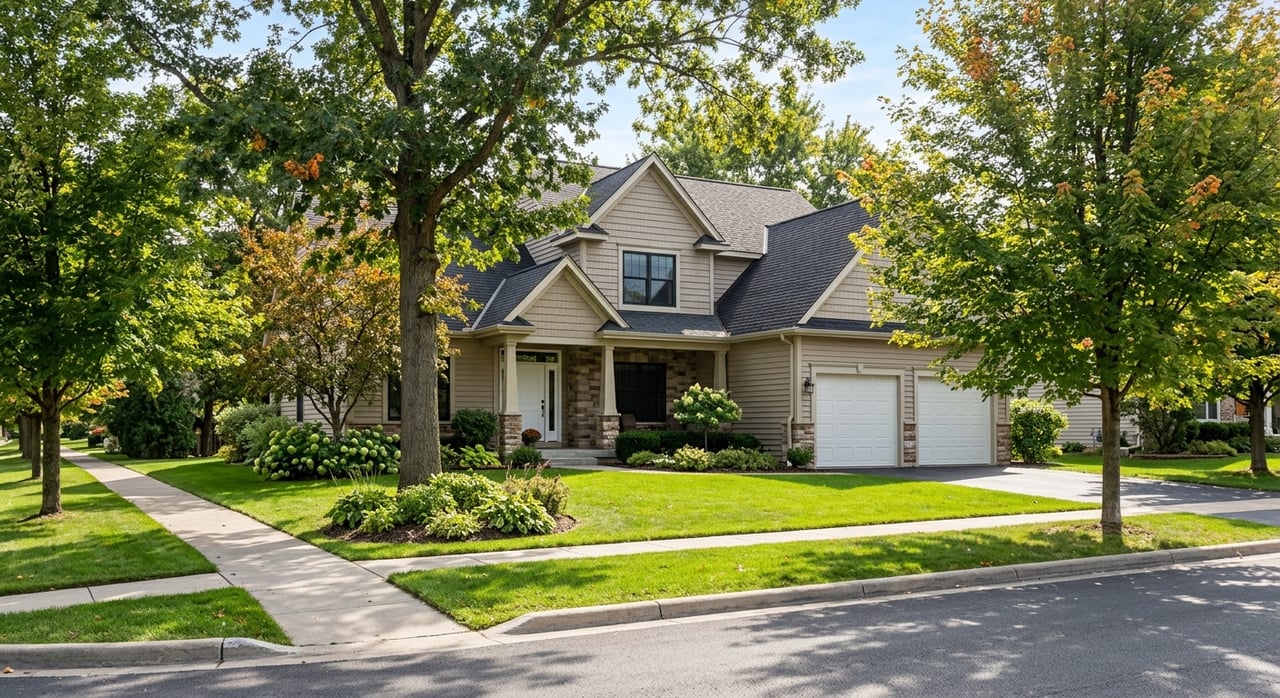
Thinking about moving closer to Rochester without giving up space, quiet, and a true small-town feel? Chatfield often comes up for buyers who want a practical commute but do not want to live in a busier suburban setting. If that sounds like you, this guide will help you understand what Chatfield offers, what tradeoffs to expect, and how to decide if it fits your next move. Let’s dive in.
Why Chatfield Stands Out
Chatfield is about 20 miles south of Rochester and sits in Fillmore and Olmsted counties. With U.S. 52 running through town and I-90 within about nine miles, it offers a workable connection to Rochester while still feeling separate from the metro.
That difference matters. Chatfield is not best understood as a Rochester suburb. It is better described as a small town of roughly 3,000 residents with its own identity, services, and day-to-day rhythm.
For many buyers, that creates a middle ground. You can stay connected to Rochester for work and larger-city needs while coming home to a quieter setting with more breathing room.
Rochester Commute From Chatfield
If you work in Rochester, the usual route is driving on U.S. 52. That makes Chatfield especially worth a look if you want a simpler commute pattern without living in a more built-up area.
There is also a regular Rochester City Lines bus route along Highway 52. According to city planning materials, the route stops at Sunshine Foods and serves St. Marys Hospital and downtown Rochester for an 8 a.m. to 5 p.m. shift.
That does not mean every schedule will line up perfectly. Still, it adds another option for some commuters and supports the idea that Chatfield is built to function as a small-town home base with Rochester access.
What Housing Looks Like in Chatfield
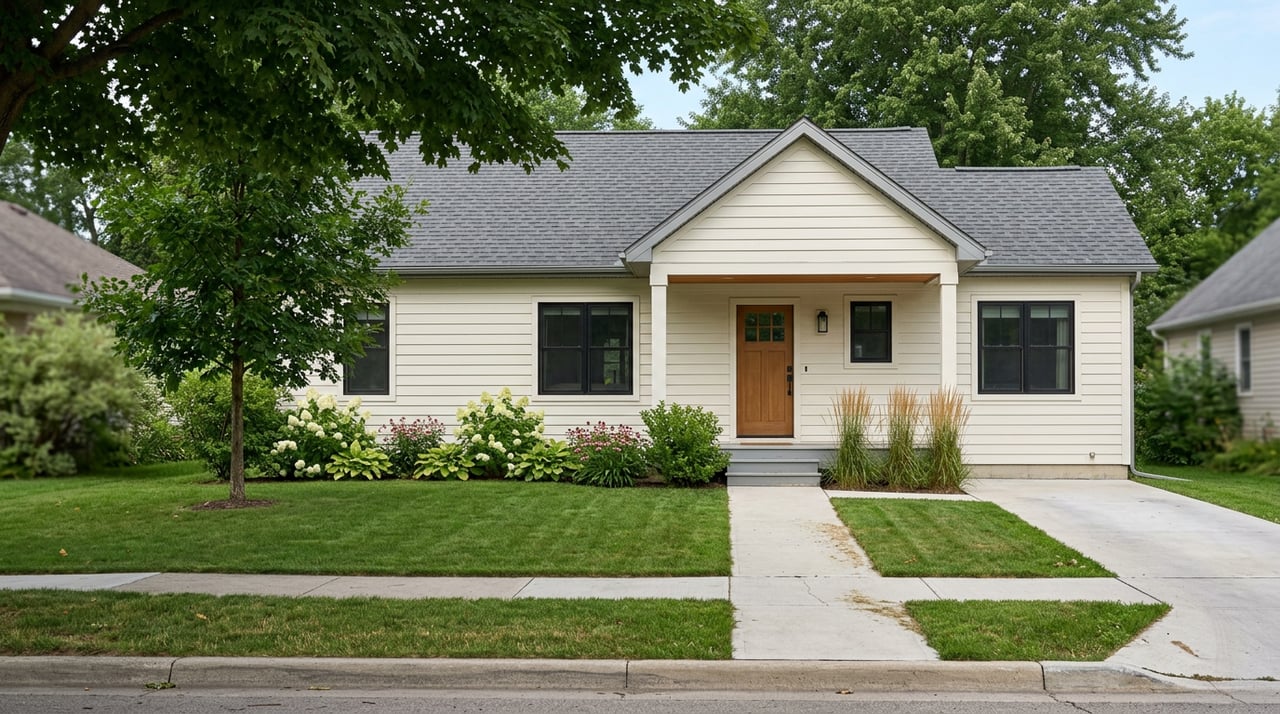
Chatfield’s housing stock is heavily centered on detached homes. City information says there are about 985 single-family homes and 16 multiple-family homes, with roughly 75% of housing classified as single-family.
Owner occupancy is also high. The comprehensive plan reports about 88% owner occupancy, which helps explain why the housing market can feel limited compared with larger places that have more turnover and more rental inventory.
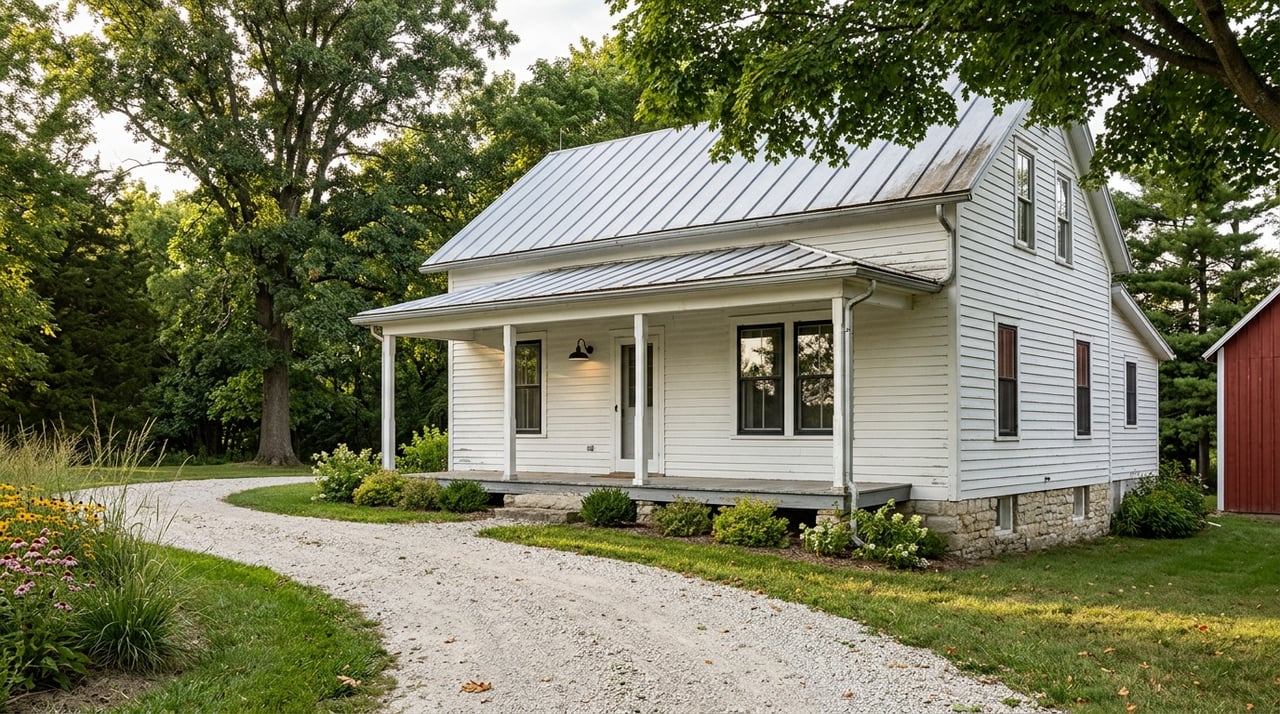
You will also see a mix of ages and styles. About 25% of housing is 75 years old or older, and roughly 300 homes have been built since 2000, so buyers may find everything from older homes with character to newer builds with more modern layouts.
Pricing Takes a Property-by-Property Approach
If you try to pin Chatfield down to one “typical” price, you may get mixed signals. The city’s comprehensive plan reported a 2023 median home value of $364,597, which gives a useful local benchmark.
At the same time, market snapshots vary. Redfin reported a median sale price of $274,836 over the three months ending May 2026, with 11 homes sold and a median of 59 days on market. Realtor.com’s April 2026 summary showed 24 active listings, a median listing price of $499,500, and 57 median days on market.
Those numbers are not really in conflict. Sold prices and listing prices measure different things, and in a thin market, a small number of homes can shift the averages quickly. The practical takeaway is simple: in Chatfield, pricing is often highly property-specific.
Inventory May Feel Limited
The city says Chatfield has averaged about 14 new homes per year over the last 40 years. That suggests steady growth, but not rapid expansion.
For you as a buyer, that can mean fewer choices at any given moment. If you are relocating from Rochester or another larger market, it helps to be patient and ready to evaluate each listing on its own merits instead of waiting for a long list of similar options.
This is also where local guidance matters. In a smaller market, understanding lot differences, home age, updates, and county-level factors can make a big difference in whether a home is priced fairly.
Everyday Amenities Are Better Than Many Expect
One of Chatfield’s strengths is that it offers more day-to-day convenience than some buyers assume. The city describes itself as a full-service community and highlights amenities such as an aquatic center, arts center, museums, libraries, parks and trails, and special events.
That means living in Chatfield is not just about having a place to sleep between trips to Rochester. There is local infrastructure here that supports daily life, recreation, and community involvement.
For many Rochester-area movers, this is the surprise factor. Chatfield keeps the small-town feel, but it still offers a solid set of local services and activities.
Parks, Trails, and Outdoor Access
If outdoor access matters to you, Chatfield has a strong case. The city parks department says there are 64 acres of parkland across nine city-owned parks.
Trail options include hiking, biking, snowshoe and cross-country skiing, snowmobile routes, ATV access, and fishing access. Local trail connections also include Creek Trail, Lost Creek Hiking Trail, and routes along Mill Creek and the Root River.
The broader setting adds to the appeal. Minnesota DNR materials describe the Root River as a scenic southeastern Minnesota water trail, which supports Chatfield’s reputation as a place where natural scenery and recreation are part of everyday life.
Local Services That Support Daily Life
For a town this size, Chatfield checks several practical boxes. The public library offers an online catalog, e-books and audiobooks, programs, and even a seven-day free state park pass checkout.
The city also provides municipal water and sewer service. New-resident information lists multiple internet and cable options, along with county-specific garbage and recycling pickup days.
These details may not be flashy, but they matter once you move. Reliable basics can make a smaller town feel much easier to live in day to day.
What to Know About Schools and Child Care
If school access is part of your move, Chatfield Public Schools says the district serves K-12 students. The district also notes school-age child care, literacy programs, rigorous high school courses, and award-winning activities.
The most useful approach is to look at whether those offerings match your household’s needs, schedule, and preferences. For many buyers, having local K-12 service in town is an important part of making a small-town move workable.
Small-Town Tradeoffs to Consider
Chatfield has clear advantages, but it also comes with tradeoffs. The biggest one is variety. If you need a broad apartment market or a large supply of multifamily housing, Chatfield may feel limited.
That is backed up by the available data. Realtor.com’s April 2026 snapshot showed 0 rental listings, which fits the city’s heavily owner-occupied, single-family profile.
You may also rely on Rochester for some larger-city services and conveniences. For many buyers, that is a fair trade for more space, a quieter pace, and stronger access to outdoor recreation.
County Rules Can Matter by Property
This is an important point in a market like Chatfield. Before buying, building, or remodeling, you may need to confirm county-level requirements tied to the specific property.
According to the research, Olmsted County administers building code and well and septic permitting for Chatfield, and jurisdiction can vary by property location. That means two homes in the broader Chatfield area may not have the exact same process or oversight.
If you are considering an older home, land, or a property with systems outside standard city utilities, asking the right questions early can save you time and stress later.
Who Chatfield Fits Best
Chatfield tends to make the most sense for buyers who want space, scenery, and a calmer pace without losing Rochester access. That often includes commuters, remote workers, and move-up buyers looking for a more practical balance between location and lifestyle.
It can also be a strong fit if you value historic character, established neighborhoods, or access to trails and the Root River area. The city’s 19th-century downtown core and heritage preservation efforts add to that sense of place.
On the other hand, if your top priority is walkable urban convenience, abundant rental options, or a dense suburban shopping environment, Chatfield may not be the right match. The town works best when you want a small-town base, not a Rochester substitute.
Final Thoughts on a Rochester-Area Move
Choosing Chatfield for a Rochester-area move is really about priorities. If you want a quieter home base, a predominantly single-family housing market, and strong outdoor access with a reasonable Rochester connection, Chatfield offers a compelling option.
The key is to go in with clear expectations. You are trading some big-city convenience and housing variety for small-town character, practical amenities, and a more relaxed daily rhythm.
If that sounds like the kind of move you are considering, working with someone who understands southeast Minnesota and the property-specific details that come with smaller markets can help you move forward with confidence. When you’re ready, schedule your free market consultation with John Nelson.
FAQs
What is the commute like from Chatfield to Rochester?
- The most practical commute is typically by car on U.S. 52, and city planning materials also note a Rochester City Lines route along Highway 52 with service to St. Marys Hospital and downtown Rochester for an 8 a.m. to 5 p.m. shift.
What types of homes are most common in Chatfield, Minnesota?
- Chatfield is dominated by detached, owner-occupied housing, with about 985 single-family homes, only 16 multiple-family homes, and roughly 75% of housing classified as single-family.
How competitive is the housing market in Chatfield, Minnesota?
- Chatfield appears to be a thin market with modest inventory, variable pricing from one property to another, and recent market snapshots showing around 57 to 59 median days on market.
Are there rentals available in Chatfield, Minnesota?
- Rental options may be limited, and one April 2026 market snapshot reported 0 rental listings in Chatfield.
What amenities does Chatfield offer for daily life?
- Chatfield offers a range of local amenities including parks, trails, an aquatic center, arts and cultural spaces, a public library, municipal water and sewer service, and multiple internet and cable options.
What should buyers check before buying property in Chatfield?
- Buyers should confirm property-specific county requirements, especially for building code, well, and septic matters, because county jurisdiction and permitting can vary by location.