If you are drawn to Preston, MN, chances are you are also weighing a bigger question: do you want the ease of living in town, or the space that comes with rural property? That choice matters here because Preston is a small city in the Root River Valley, and the housing options around it can shift quickly from compact in-town lots to larger acreage-style settings. In this guide, you will get a practical look at common housing styles, lot patterns, utility differences, and what rural living really means around Preston. Let’s dive in.
Why Preston Feels Different
Preston is small in both size and population. The city covers about 2.5 square miles and has 1,362 residents, 603 households, and 651 housing units.
That small footprint shapes the housing market in a very real way. You can move from an in-town setting with municipal utilities to a more rural property pattern in a short drive, and sometimes just outside city limits, the rules and expectations change.
Fillmore County also has a strongly owner-occupied housing base. The county’s owner-occupied rate is 82.6%, and 92.5% of residents were living in the same house one year ago, which points to a more settled market rather than a fast-turnover one.
Housing Styles Around Preston
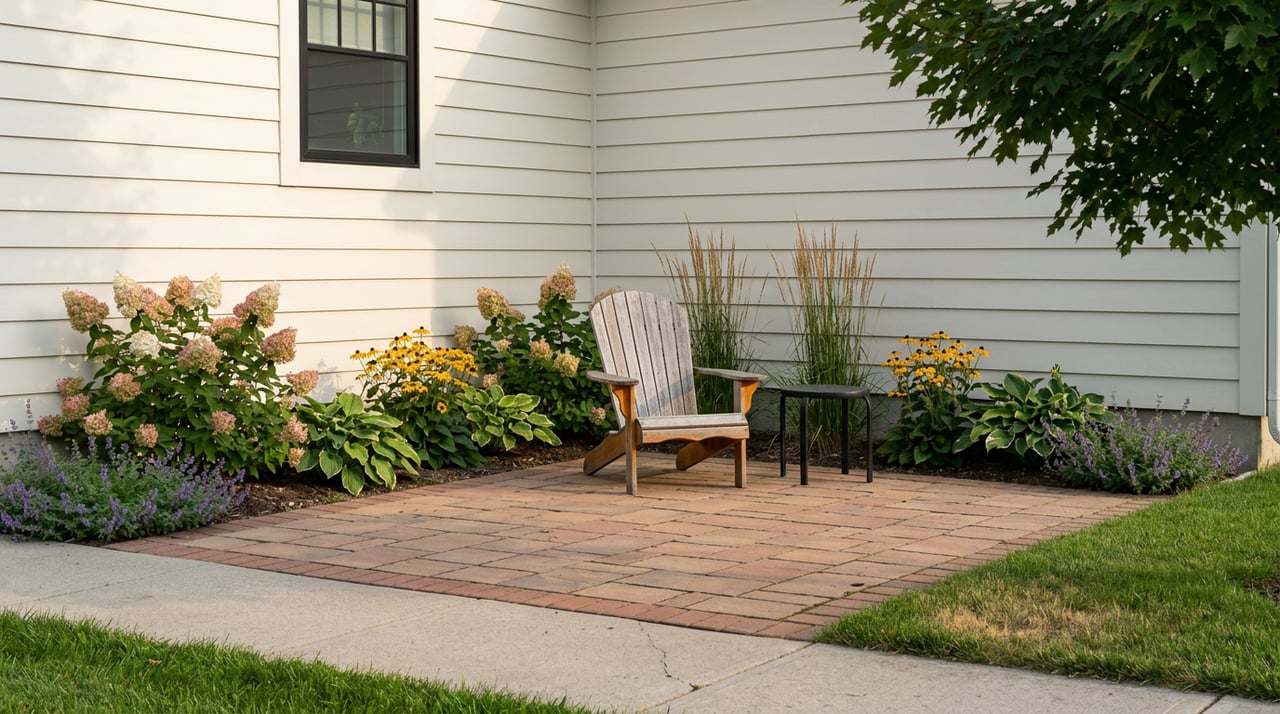
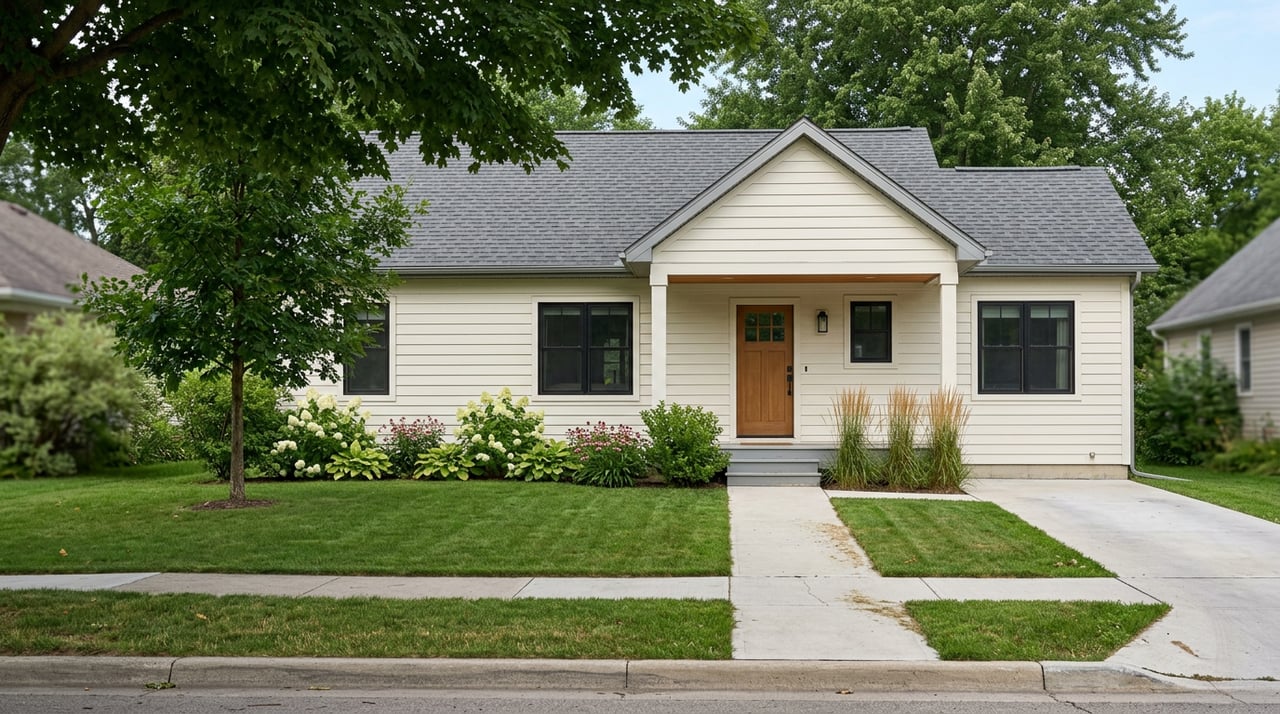
In-town single-family homes
If you want a traditional home in town, newer builds and infill homes often fit best in Preston’s R-2 residential areas. These areas are intended for low-density residential development where municipal utilities are available, including redevelopment on scattered vacant lots in previously developed neighborhoods.
For buyers, that usually means a more compact lot and a simpler utility setup. Preston’s zoning appendix lists minimum R-2 lot standards of 8,000 square feet for single-family lots and 10,000 square feet for two-family lots, with 80 feet of width and 100 feet of depth.
Townhomes and attached housing
If lower exterior upkeep or a more compact footprint appeals to you, townhomes and other attached homes are also part of the Preston housing picture. The city’s R-3 district is intended for apartments, row houses, townhouses, dormitories, and other buildings with three or more dwelling units where municipal utilities are available.
The local code also defines attached dwellings broadly. That includes group, row, townhouse, and zero-lot-line development, which makes attached housing a natural fit for buyers who want convenience and a more manageable property.
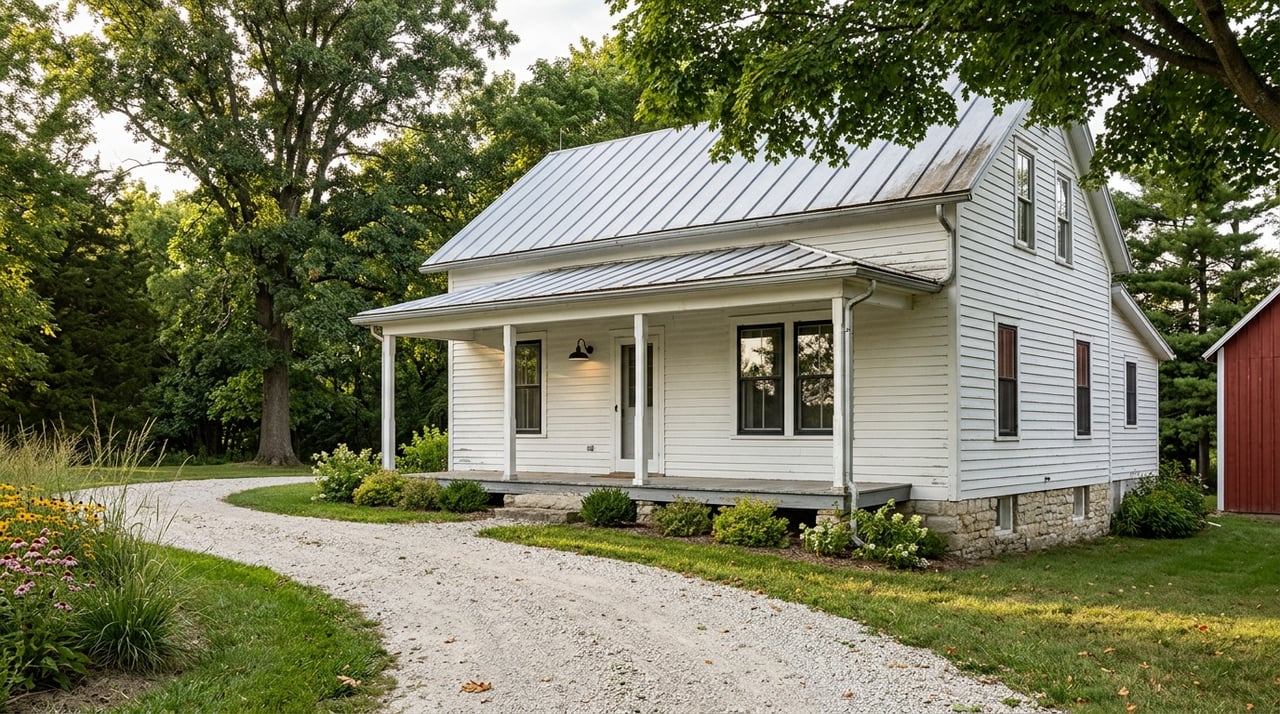
Farmhouses and acreage homes
If your idea of home includes more land, outbuildings, or a country setting, farmhouse-style properties and acreage homes are a key part of the market around Preston. In Fillmore County, zoning is written to protect agricultural land and conserve rural character, so rural housing tends to follow a lower-density pattern.
The county’s agricultural district allows very low-density development on parcels of 2.5 acres or more. That gives you a helpful starting point when you are looking at farmsteads or homes with room to spread out.
Rural homes near town
Some buyers want a middle ground: easy access to Preston, but with more privacy and land. Preston’s R-1 agriculture/residential district helps explain that option because it is meant to preserve agricultural lands while allowing low-density residential development where utilities are economically available.
In that district, the zoning appendix lists 5-acre minimums for single-family and two-family lots, along with 300 feet of width and 150 feet of depth. That is a very different setup from an in-town lot, and it can make a major difference in how a property feels and functions.
Lot Size and Utilities Matter
In the Preston area, house style is only part of the story. A better way to compare homes is to also think about lot size and utilities.
Inside town, especially in R-2 and R-3 areas, you are more likely to find smaller lots served by municipal utilities. That can mean fewer site-related questions and a more straightforward ownership experience.
Outside the city, and sometimes on the edge of town, rural parcels often come with a different checklist. Fillmore County’s zoning code requires lots served by individual wells or septic systems to meet Board of Health minimums for those systems.
That is why rural buyers need to think beyond the house itself. A property may offer more land and flexibility, but you also need to understand whether the site can support the systems you need and whether any other parcel constraints apply.
Rural Living Trade-Offs
What you may gain
Rural living around Preston often appeals to buyers who want privacy, open views, extra storage, or more room for hobbies. Larger parcels can make space for outbuildings, gardening, equipment storage, or simply a quieter setting.
For some buyers, that extra room is the whole point. It can offer a different pace and a stronger connection to the landscape that defines this part of southeast Minnesota.
What you may take on
More land usually means more responsibility. Rural properties often require more upkeep, more site management, and more attention to wells, septic systems, access, and land-use rules.
That does not make rural living harder for everyone, but it does mean you should go in with clear expectations. The right property for you depends on how much maintenance and property management you actually want.
City Limits Can Change the Experience
One of the most important things to understand about Preston is how quickly the housing pattern can change. Because the city is only 2.5 square miles, being inside city limits versus just outside them can lead to a very different type of property search.
Inside city limits, you are often looking at smaller, utility-served lots and zoning districts designed for low-density homes or attached housing. Outside city limits, county rules apply, and the development pattern becomes more rural, with more attention to acreage, wells, septic systems, and overlays.
That is why two homes with similar drive times to downtown Preston can feel completely different in day-to-day ownership. The setting, site needs, and long-term upkeep may not be the same at all.
Site Constraints to Watch
Wells and septic
For rural parcels, one of the first practical questions is whether the lot can support conventional septic and well systems. County zoning reinforces that this is a core part of rural development review.
If you are comparing land or acreage homes, this is not a small detail. It can affect what you can build, how you use the property, and what due diligence you need before closing.
Floodplain and terrain
Preston’s planning page notes that the city has adopted a floodplain ordinance and closely regulates construction in floodplain areas. In the Root River Valley, that matters for river-adjacent and low-lying sites.
The county zoning code also includes overlays related to floodplain, shoreland, bluffland, and similar land features. If a property sits near a river or on steeper terrain, those rules may shape what can be built or changed.
Permits for future projects
Ownership does not stop with the purchase. Preston requires building permits for many common projects, including building a home or garage or shed, adding onto a structure, decks, fences and retaining walls, and residential or commercial renovations.
That is useful to know before you buy, especially if you already have plans for updates. A property that looks perfect on day one may still need permitting steps before you can make it fit your long-term goals.
Price Context Around Preston
Preston’s median owner-occupied home value is $185,900. In Fillmore County, the median owner-occupied value is $221,100.
That gap helps frame the local market. It is consistent with a countywide housing mix that includes more rural and acreage-style properties, while Preston itself offers a smaller in-town housing base.
Price is never the only factor, but context helps. If you are comparing homes in town with properties outside town, the differences in land, utilities, and use potential can all play into value.
How to Choose the Right Fit
If you are deciding between in-town living and a rural property near Preston, start with a few simple questions:
- Do you want municipal utilities or are you comfortable evaluating well and septic needs?
- How much land do you actually want to maintain?
- Would a smaller lot and less exterior work make daily life easier?
- Do you need room for storage buildings, larger yard use, or hobby space?
- Are you considering a site that could be affected by floodplain, shoreland, or bluff-related rules?
The right answer is personal. Some buyers are happiest with a more compact home in town, while others know they will not feel at home without acreage and elbow room.
The key is to match the property to your lifestyle, not just your wishlist. Around Preston, that local detail matters because zoning, utilities, and site conditions can shape your experience long after move-in day.
If you want help sorting through homes in town, acreage properties, or land near Preston, John Nelson can help you evaluate the practical details and move forward with confidence.
FAQs
What housing styles are common around Preston, MN?
- Around Preston, you will commonly see in-town single-family homes, townhomes and other attached housing, older farmhouses, and rural acreage properties.
What is the difference between in-town and rural living near Preston, MN?
- In-town living near Preston usually means smaller lots and municipal utilities, while rural living often means more land, more privacy, and more attention to wells, septic systems, and parcel rules.
What lot sizes should buyers expect in Preston, MN?
- In Preston’s R-2 district, minimum single-family lots are 8,000 square feet, while R-1 agriculture/residential lots are much larger, with 5-acre minimums for single-family and two-family lots.
Are townhomes allowed in Preston, MN?
- Yes. Preston’s R-3 district is intended for apartments, row houses, townhouses, dormitories, and other multi-unit residential buildings where municipal utilities are available.
What should buyers check before buying rural property near Preston, MN?
- Buyers should look closely at well and septic requirements, access, setbacks, and whether floodplain, shoreland, bluffland, or other overlays may affect the property.
Do home projects in Preston, MN require permits?
- Yes. Preston requires permits for many common projects, including homes, garages or sheds, additions, decks, fences, retaining walls, and renovations.